
Adhesive options and types for wall cladding
Cement-based and lime-based adhesives overview
There’s a quiet truth about façades in South Africa: a single wall cladding glue choice can determine a building’s endurance through searing sun, coastal salt, and stormy winds. “The bond is the quiet backbone of any facade,” a veteran installer once said.
Adhesive options fall into two families: cement-based and lime-based. Cement-based adhesives deliver a hard, rapid-set bond ideal for dense cladding such as ceramic or stone, boosting the wall cladding glue strength where water exposure is a concern. Lime-based adhesives offer breathability and flexibility, aligning with lime plaster and porous substrates, often preferred for heritage or warmer interior climates.
- Cement-based adhesives: high early strength and a robust, durable bond for modern claddings.
- Lime-based adhesives: superior breathability and movement tolerance for traditional finishes.
Choosing the right wall cladding glue hinges on substrate, climate, and aesthetics, ensuring longevity without sacrificing appearance.
Acrylic, vinyl and polymer-based blends
Across South Africa’s climate spectrum, the wall cladding glue you choose can shape a façade’s resilience. A recent industry pulse reveals adhesive performance drives over half of early façade repairs—a startling reminder that the bond writes longevity. Acrylic, vinyl, and polymer-based blends rise to the occasion, delivering reliable bonds with the daylight-friendly aesthetics modern cladding demands.
Acrylic blends cure fast and form a hard, UV-tolerant bond suited to dense panels. Vinyl-based blends stay flexible and water-resistant, accommodating substrate movement and coastal exposure. Polymer-based blends meld elasticity with strong adhesion, offering versatile performance across substrates and climates.
- Fast cure and UV stability
- Flexibility for movement and moisture
- Wide substrate compatibility
Choosing among them lets South African projects marry climate, substrate, and style, preserving beauty while the elements press on.
Epoxy and epoxy-modified systems
Epoxy and epoxy-modified systems push the performance envelope for wall cladding glue. They deliver durable bonds on dense panels and tough substrates—ideal where long-term weathering and UV exposure are a factor. In South Africa’s varied climate, these systems offer reliable adhesion across concrete, brick, metal, and composite panels, with quick cure times.
- High bond strength and gap-filling capability
- Rapid cure and early handling
- Excellent chemical and moisture resistance
- Good adhesion to varied substrates, including concrete and metal
Epoxy-modified formulations marry epoxy strength with added elasticity, reducing brittleness and accommodating minor movement or moisture. They extend service life in coastal and other challenging environments.
Removable and temporary mounting options
“The bond is the unseen hinge,” a veteran cladding installer likes to say. In South Africa’s coastal winds and sun, the right mounting keeps panels secure where heat and moisture test them. The range of mounting options goes beyond permanence, embracing flexibility and clean removal.
For removable and temporary mounting, you’ll find options designed to hold without scar. Think removable double-sided tapes, low-tack acrylic adhesives in wall cladding glue formulations, and clip-and-bracket systems that distribute load with ease.
- Removable double-sided foam tape
- Clip-and-bracket mounting
- Temporary bracket systems
These methods support coastal exposure and quick panel changes, making the choice of adhesive as strategic as the panel design.
Substrate compatibility and surface preparation
Assessing common wall substrates
Across South Africa’s cladding projects, up to 60% of bond failures trace to substrate prep and compatibility. “Prep is the bond’s quiet architect,” a veteran contractor says. The wall cladding glue you choose must respect the surface it embraces, or the result will never feel solid. The surface writes the first chapter of a wall’s story.
Common substrates—concrete, cement plaster, brick, gypsum board, timber, and fibre-cement—carry different porosities, moisture profiles, and cure histories. Each demands tailored surface preparation: clean, dry, and profilized to reveal a consistent texture that invites the adhesive to perform.
To align preparation with performance, consider these checks:
- Surface cleanliness and absence of contaminants
- Substrate moisture levels and their impact on adhesion
- Texture and porosity shaping the bond profile
- Need for priming on porous or dusty substrates according to spec
Surface prep steps for optimal bonding
Substrate compatibility is the quiet negotiator of enduring adhesion. Across South Africa’s varied climate, wall cladding glue must honor the surface it embraces; misaligned prep leaves a tale of failure long before the first coat cures. The surface writes the first chapter of a bond’s character.
Common substrates—concrete, cement plaster, brick, gypsum board, timber, and fibre-cement—carry different porosities, moisture histories, and cure arcs. Each demands surface preparation that reveals a consistent texture and invites the adhesive to perform, mindful of local humidity and sun exposure.
- Surface cleanliness and absence of contaminants
- Substrate moisture levels and their impact on adhesion
- Texture and porosity shaping the bond profile
- Need for priming on porous or dusty substrates according to spec
Priming on porous or dusty substrates may be required according to spec, and the wall cladding glue should fit that priming strategy. Consider how preparation conversations influence the final feel of the installation; when surface and adhesive agree, the wall speaks with quiet confidence!
Primers, sealants and primer compatibility
Surface failures whisper louder than glossy finishes. A recent industry note suggests up to 70% of adhesion issues begin at the substrate, not in the glue. Substrate compatibility guides every successful installation, and primers are the quiet negotiators that bridge surface and wall cladding glue.
- Porosity and texture aligned with primer systems
- Moisture history and surface cleanliness
- Sealant compatibility with wall cladding glue
On concrete, brick, gypsum board, timber, and fibre-cement, primers matter—especially on porous or dusty skins. Sealants must harmonize with the chosen glue to avoid micro-level conflicts. Consider how texture, porosity, and sun exposure shape the protection and longevity of the bond.
To honor the wall cladding glue, primers and sealants must converse with the surface like a duet—quiet, assured, and resilient against our climate’s drama.
Moisture, temperature and environmental considerations
Substrate compatibility is the quiet sovereign of any wall cladding glue saga. In the field, 70% of adhesion misfires begin at the substrate, not in the glue—so the substrate’s porosity and history of moisture set the tempo, and the glue simply follows its lead.
Moisture history, surface cleanliness, and the day-to-day weather dance of South Africa shape every layer’s fate. Cape humidity to Highveld winds and heat swings test bonds, while dusty skins invite micro-movements that the adhesive must withstand. Surface prep keeps the system in a harmonious duet.
- Moisture cycles and dew points
- Dust and porosity on substrates
- Temperature swings and sun exposure
That quiet duet is the heart of a lasting facade; the adhesive, primers, and surface work as one chorus—patient and resilient to our climate’s drama.
Application methods and installation best practices
Mixing ratios, pot life and preparation
A solid bond is the quiet backbone of any wall cladding project. The foreman’s favorite line rings true: prep well, bond well, and you’ll dodge callbacks. Your wall cladding glue is the steady partner that carries that promise through the clean lines and enduring finish.
Application relies on respect for mixing ratios, mindful pot life, and solid preparation. Apply in manageable segments, work from top to bottom where possible, and aim for a uniform bed that avoids gaps and air pockets.
- Bed uniformity to ensure full contact
- Consistent working time to keep adhesive workable
- Clean tools and surrounding area to prevent contamination
In South Africa’s diverse climates, choose formulations designed for mixed humidity and temperature swings, and confirm compatibility with substrates and sealants.
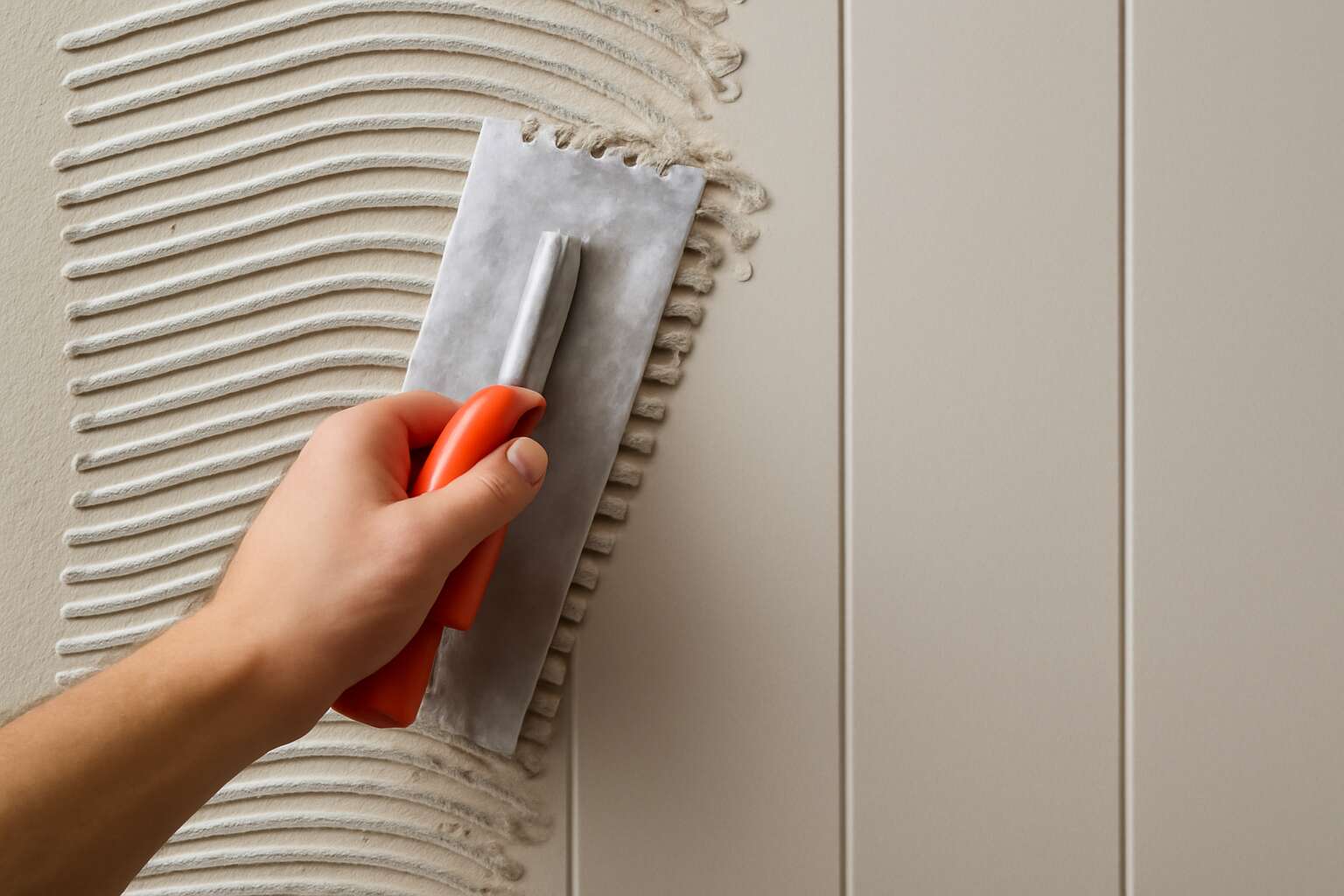
Application techniques: trowel, notch and roller
South Africa’s climate range is a sculptor’s challenge, and the wall cladding glue must answer with quiet strength. When the bed is even and the surface speaks true, you glimpse enduring lines and a finish that refuses to falter.
- Trowel: lays broad, even beds for generous contact.
- Notch trowel: creates ridges that invite the adhesive to grab substrate evenly.
- Roller: touches up and smooths, reducing air pockets on visible panels.
Apply using trowel, notch trowel, or roller—each method offers a distinct advantage. When you balance them across panels, the wall becomes a measured poem of light and line.
Open time, set time and curing conditions
South Africa’s climate is a sculptor’s challenge, and a stubborn wall cladding glue refuses to crumble in sun or rain. Open time is a quiet conversation between adhesive and substrate—just enough grace for panels to settle, not enough to invite sag. When the bed is even and the surface speaks truth, you glimpse lines that endure.
Best practices lean on atmosphere as much as technique. Temperature, humidity, and airflow shape open time, set time, and curing conditions for wall cladding glue. The familiar trowel, notch trowel, and roller are cues the wall reads before the first panel kisses the substrate.
- Open time: the window before bonding pressure is applied
- Set time: when the bond reaches initial stability
- Curing conditions: how heat, moisture and time finalize strength
Layout, alignment and pattern planning
South Africa’s sun and rain sculpt every wall. A careful layout with wall cladding glue settles the eye before a panel is set, turning potential chaos into quiet, durable rhythm. Even in a wind-swept yard, the right plan honors texture and time, letting the surface endure without crying out for attention.
Layout, alignment and pattern planning guide every detail—from edge lines to panel spacing. Visual rhythm tells a story before one panel meets the wall, and a thoughtful arrangement helps the wall cladding glue work with, not against, the building’s character.
- Straight lay for clean, minimalist walls
- Running bond to soften irregular edges
- Modular grids for bold, repeating patterns
In the end, the wall cladding glue carries a story of care—a quiet anchor under South African skies.
Performance testing and standards
Adhesion and bond strength testing methods
Performance testing is the quiet backbone of a durable facade. Behind every flawless finish lies a benchmark for adhesion and weather resilience. The goal is simple: verify that the wall cladding glue can withstand sun, rain and the pace of South Africa’s climate.
Adhesion and bond strength testing methods include pull-off tests, in-plane shear tests, and standardized peel evaluations, all aligned with local and international standards. These checks confirm the compatibility of wall cladding glue with diverse substrates and environmental cycles.
Documentation of results supports quality claims and site acceptance, ensuring performance meets the demands of South Africa’s varied environments.
- Pull-off (bond strength) testing
- In-plane shear testing
- Peel tests and related assessments
Flexibility, movement and thermal cycling
In South Africa, many regions boast around 2,000 sunshine hours a year, turning heat into a daily test for wall cladding glue. Flexibility matters as panels breathe with sun and rain, expanding and contracting through the ordinary cycles of day and storm, much like a hand-built fence that swells after a good rain.
Performance testing and standards frame how this wall cladding glue behaves under movement and thermal cycling. Reliable products align with local and international benchmarks for elasticity and weathering—ensuring the bond keeps pace with the substrate and climate, just as a sturdy kraal post holds its shape through heat and wind.
Key factors that influence performance include:
- Substrate movement and dimensional change
- Thermal expansion and contraction cycles
- Moisture and humidity variations
Across labs and job sites, engineers compare data on wall cladding glue responses to heat, moisture and wind-driven movement, all through standardized testing that mirrors South Africa’s climate diversity.
Water resistance and weatherproofing in external cladding
In South Africa’s sun-baked towns, the annual heat cycle tests every exterior system. The wall cladding glue must flex as panels breathe, resisting adhesion loss when the sun bakes and rain soaks. wall cladding glue must perform under heat and rain, and performance testing and standards frame how that glue behaves under movement and weathering, with elasticity and aging benchmarks guiding selection.
- Water ingress resistance under wind-driven rain
- UV exposure and long-term color/film stability
- Thermal cycling and substrate movement
- Humidity resistance and mold susceptibility
Across labs and job sites, data from these tests sets the bar for water resistance and weatherproofing in external cladding. A quality wall cladding glue delivers a balanced bond that stands up to sun, wind and rain across SA’s diverse climates.
Durability, impact resistance and maintenance
In SA’s sun-baked towns, exterior walls endure a tacit duel between radiant heat and capricious weather. The wall cladding glue must flex with substrate movement and age with grace, resisting the creeping moisture that lingers. Performance testing and standards translate these trials into tangible benchmarks—elasticity and longevity—so specifiers can select glue that holds the line when sun, wind and rain persist.
Performance testing and standards define the triad that governs successful installations in South Africa: durability, impact resistance and ongoing maintenance.
- Bond endurance under substrate movement and real-world aging
- Resistance to mechanical impact from hail, debris and windborne threats
- Maintenance cycles, inspection intervals and re-bonding needs across facade life
Labs and job sites converge on criteria that translate into trusted performance. The chosen solution through this lens becomes a quiet sentinel of long-lasting façades in SA’s diverse climates.


0 Comments