
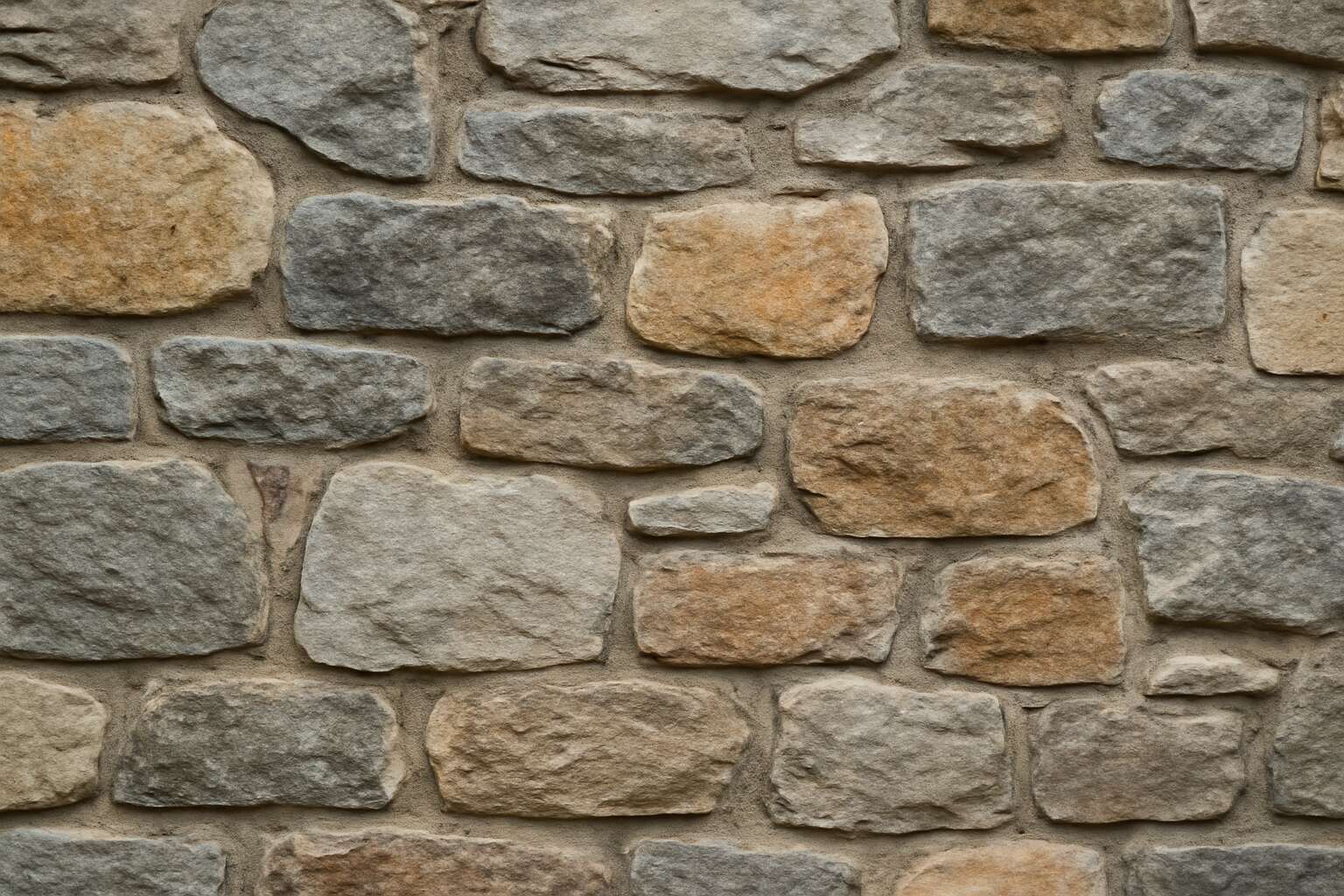
Texture-focused design principles for stone cladding
Texture terminology in stone cladding
Texture is the quiet force that makes stone cladding feel alive, turning a flat wall into a canvas of shadow and light. In our projects, texture guides how a façade breathes under South African sun, offering warmth in winter and tactility in summer. The right texture communicates character before any color. That is the stone cladding texture that anchors the look.
Texture terminology helps designers speak the same language. Consider these focal textures:
- Scale and rhythm that harmonizes with the surrounding mass
- Subtle relief to catch daylight without glare
- Microtexture to invite touch and break monotony
Beyond feel, the texture sets the tone of the space and can influence acoustics and maintenance perception.
Natural surface finishes for stone materials
Texture is the quiet negotiator between light and stone. “Texture is the first handshake a façade makes with the sun,” as one designer likes to say, and that stone cladding texture isn’t just a surface—it’s the texture that greets South African mornings, turning winter warmth into memory and summer shade into character. A thoughtful texture speaks volumes before any color does.
Texture-focused design principles lean on scale, rhythm, and deliberate relief. When considering natural surface finishes for stone materials, aim for a profile that breathes with the building mass. Here are practical finishes to weave into a project:
- Natural cleft or rustic surface for warmth
- Sanded or honed finishes to tame glare
- Bush-hammered texture for shadow depth
Acoustic subtleties and maintenance assumptions are tuned by texture as much as by tone. In sun-drenched South Africa, the right natural surface finishes for stone materials can transform a building’s mood without shouting.
Engineered versus natural textures and their uses
Texture-focused design principles guide how stone surfaces talk to light. Scale, rhythm, and deliberate relief become the subtle conductor of a façade, especially in sun-drenched environments! Engineered textures offer precise, repeatable patterns that read as calm modernity, while natural textures celebrate irregularity and warmth. In the dance between shade and glare, stone cladding texture choices shape mood and memory, turning a building’s presence into a seasonal companion for South African mornings!
Here’s how they behave on a project:
- Engineered textures provide consistent relief and predictable maintenance, ideal for large or repetitive facades.
- Natural textures foster warmth, depth, and unique natural grain, suited to historic or tactile preferences.
- Hybrid approaches blend engineered bases with natural veneers to balance glare control and character.
Texture types and material options for stone facades
Rugged and rustic finishes on granite and limestone
Texture is the language stone speaks to sun and wind. In South Africa, homes with rugged granite or limestone facades can boost curb appeal by up to 30% on first impressions, turning quiet streets into grand approaches!
Texture types carry mood and function in balance with light. Rugged finishes reveal the grain and grit of granite or limestone, offering tactile drama for entrances and walls. Rustic textures, like cleft or splitface, impart timeless warmth that ages gracefully across landscapes.
Here are texture options to consider:
- Rugged granite textures: bush-hammered, rock-face
- Rustic limestone textures: cleft, splitface
- Mixed textures: sawn edges with weathered faces
For stone cladding texture, choose finishes that suit SA climate and architectural language, ensuring the granite or limestone persists with character as it seasons with light.
Polished and refined textures for marble and sandstone
First impressions on a South African street are shaped by light and stone. A refined stone cladding texture, applied to marble and sandstone, can transform the facade’s character and potentially lift curb appeal by up to 30% at first glance. Polished textures bring a high-reflective gleam that reads as modern and durable, while refined textures like honed or satin soften the surface, revealing gentle veining and warmth. The balance of sheen and tactility guides how the façade interacts with seasons and sun.
Material options for these finishes are straightforward.
- Marble — polished and honed textures
- Sandstone — polished and honed textures
Choosing the right combination anchors the building’s language to SA’s climate and light.
Tumbled, hammered, and distressed surface textures
In my years shaping SA facades, light reveals texture like nothing else. The stone cladding texture you choose can shift a street’s mood in seconds, shaping first impressions long before the door is touched.
Tumbled textures offer a soft, aged aura. The surface hides sharp edges and catches light with a muted glow, adding warmth to granite, limestone, or marble without shouting.
- Tumbled: worn edges, rustic patina
- Hammered: depth and shadow
- Distressed: weathered charm
Hammered textures create sculpted shadows and reduced glare, perfect for urban lightplay and SA’s bright days.
Distressed textures evoke timeless charm, evolving with sun and season—a living stone cladding texture that anchors modern lines in warmth.
Ceramic and porcelain surrogates with stone-like textures
Texture sells curb appeal—our streets are judged in seconds, and texture is the trigger. In SA, ceramic and porcelain surrogates now deliver stone-like textures that look the part without the weight or upkeep of natural stone. The result? Immediate mood shifts and smarter maintenance bills.
Texture types you can achieve with these surrogates include:
- Riven or split-face textures that mimic fieldstone
- Brushed, low-sheen textures for soft light diffusion
- Cross-cut or linear textures that add contemporary depth
- Micro-embossed stone-like finishes for subtle patterning
Choosing ceramic or porcelain surrogates translates into a dramatic, low-maintenance option for exterior façades. The stone cladding texture is consistent across large panels, resists fading in SA sun, and offers a predictable palette to pair with metalwork and glass.
Aesthetic impact and styling with textured stone
Neutral palettes that enhance texture in exteriors
“Stone speaks in the language of light,” whispers a master mason, and the texture it wears can redraw a building’s mood. In South Africa, the aesthetic impact of textured stone on exteriors is a quiet revolution, where stone cladding texture dissolves the line between shadow and surface and invites the eye to linger.
To harness this drama, consider a neutral palette that lets texture breathe. The color field matters more than the stone’s shape, so choose tones that recede instead of shout, allowing the tactile grain to do the talking.
- Charcoal basalt
- Pebble limestone
- Driftwood sandstone
- Warm sandstone
When styled with careful spacing and composition, neutrals amplify the stone cladding texture, turning exterior walls into a gallery of shadow, light, and weathered memory.
Texture contrast with color and pattern decisions
Texture, not mere color, writes the first word on a stone façade. “Stone speaks in the language of light,” a master mason once whispered, and in South Africa that dialogue can weave mood as the day leans from shadow to sun. Stone cladding texture invites the eye to linger.
Styling with textured stone is a quiet theatre. A restrained neutral palette lets the grain tell the story, with stone cladding texture guiding color and pattern decisions through texture contrast. In this landscape, the walls become a living canvas—subtle, tactile, and unmistakably real.
- Grain direction and joint rhythm
- Undertone balance with changing light
- Edge detailing that catches and softens shadow
As light travels, rough-hewn surfaces cast shifting memories across exterior walls, turning façades into a gallery where shadow, light, and weathered memory converse. Texture becomes the silent conductor of architecture, guiding the eye across the surface with grace.
Exterior architectural applications of textured stone facades
‘Stone speaks in the language of light,’ a master mason once whispered. On South African façades, texture does more than decorate—it defines mood as sun slides from shadow to glare. Aesthetic impact comes from how stone cladding texture traps, reflects, and refracts light, turning a flat wall into a living surface that ages with the day. The eye settles on grain, depth, and edge, not just color.
- Front elevations and feature walls
- Entryways, canopies, and column wraps
- Boundary walls, courtyards, and garden terraces
Styling with textured stone invites restrained palettes to do the talking; the material remains honest and tactile, a quiet theatre against South Africa’s changing light. Edges sharpen and soften with shade, guiding the eye across the façade and inviting touch, while the pattern of joints, grain, and relief does the rest.
Installation, maintenance, and durability of textured stone cladding
Preparation and installation considerations to preserve texture
Texture is the siren song of stone, catching light and telling a story of place. In South Africa’s sun, the stone cladding texture shifts and warms with the day, inviting passersby to linger and look closer.
Preparation and installation considerations to preserve texture shape the outcome more than mere material choice. Substrate stability, compatible binding, and environmental exposure influence how the surface breathes and ages across seasons.
- Substrate stability and movement
- Compatibility of textures with jointing and adhesives
- Exposure to sun, wind, and moisture
Maintenance and durability emerge as the texture settles into its character. Gentle cleaning, breathable sealants, and the quiet patina of time sustain the texture against SA’s varied climate, letting its sculpted surface endure with grace.
Cleaning and maintenance routines for texture longevity
The stone cladding texture is the theatre of a façade; it drinks sunlight and whispers its age in living colour. When a project respects texture during installation, it ages like a well-tailored suit rather than a discarded poster. In South Africa’s climate, the surface breathes in summer and settles in winter, shaping its character across seasons.
Maintenance leans toward restraint: gentle cleaning with soft brushes and pH-neutral cleaners preserves the patina without washing away character. For longevity of the stone cladding texture, breathable sealants offer protection without sealing the breath, letting the surface evolve with time.
Durability rests on harmony—substrate stability, compatible binders, and respect for sun and moisture cycles. A calm, periodic check keeps joints honest and micro-movements in check, ensuring the texture endures with quiet grace.
Durability and weather resistance across climates
Stone cladding texture wears like a memory. In South Africa’s sun, façades remember the day’s heat and the night’s chill. “Texture is weather’s handwriting,” a master mason once whispered. When installation honors texture, it ages like a tailored suit, not a discarded poster.
Across climates, maintenance remains a quiet ritual that preserves conversation between stone and light.
- substrate stability and drainage
- moisture cycles and breathability
- UV exposure and colour stability
- seasonal expansion and contraction
Durability rests on harmony of sun, moisture, and movement. Breathable sealants can protect while letting the texture evolve. The stone cladding texture endures, aging with quiet grace and responding to climate as a living skin.
Trends, buying guides, and optimization for search
Latest texture trends in stone cladding
Texture is reasserting itself as the defining feature of contemporary façades in South Africa. The latest texture trends reveal how stone cladding texture turns a wall into a living surface, catching sunrise light and shadowing afternoon heat with quiet calculation—”Texture is the poetry of stone”—an understated drama that high-design homeowners crave.
Key trends include:
- 3D ribbed panels that cast shifting shadows on façades
- warm earthy palettes with subtle mineral speckling
- mixed textures that pair rugged stone with smooth joints
Buying guides for stone cladding texture emphasise fabricator credibility, warranty, and suited finishes for South African climates—balancing maintenance with longevity. For search optimization, weave the term stone cladding texture into product pages, galleries, and case studies to strengthen relevance without sounding forced.
Cost considerations and return on texture choices
Texture is the poetry of stone, and South African façades answer in three dimensions. 3D ribbed panels cast shifting shadows, warm earthy palettes glint with subtle mineral speckling, and mixed textures make walls feel alive rather than decorative scenery!
Buying guides for stone cladding emphasize fabricator credibility, warranties, and finishes suited to South African climates—balancing maintenance with longevity. This texture concept can be woven into product pages, galleries and case studies, strengthening relevance without feeling forced.
Cost considerations and return on texture choices hinge on long-term maintenance and curb appeal; for SEO, repeat the term stone cladding texture across product pages, galleries and case studies, letting quiet luxury accrue with every sunrise.
Sustainable and eco-friendly textured stone options
“Texture is the poetry of stone,” and across SA façades, surfaces tell their stories. Trends lean toward sustainable, eco-friendly textures that age gracefully, revealing warmth in earthy palettes and mineral speckling!
Buying guides are evolving; clients seek fabricator credibility, warranties that endure SA’s climate, and finishes that resist sun, rain, and wind without masking tactile depth. These considerations shape texture choices that balance maintenance for longevity.
Among sustainable and eco-friendly textured stone options, gravity leans toward locally sourced materials and low-impact finishes that celebrate texture without sacrificing longevity.
- Locally quarried stone to reduce transport emissions
- Low-VOC, breathable sealants that protect texture
- Natural water-based finishes that enhance mineral details
- Recycled-content panels that mimic ancient patinas
On the optimization front, the texture concept drifts through galleries, product pages and case studies, letting stone cladding texture become a quiet anchor in the search landscape. The voice remains vivid, precise, inviting readers to linger.
FAQs and misconceptions about textured stone facades
Texture is the poetry of stone, and here in South Africa I see the trend toward textures that soften with time! Earthy palettes, mineral speckles, and weathered patinas celebrate sunlight and rain, while locally quarried stone and low-VOC sealants keep footprints light and memories long.
Buying guides now privilege fabricator credibility and rugged warranties that endure SA’s climate, with finishes that resist sun, rain, and wind without blunting tactile depth. The aim: a durable surface that reads as textured, alive, and honest—stone cladding texture remains central to confident design decisions.
The optimization thread threads texture through galleries, product pages, and case studies—stone cladding texture surfaces as a quiet anchor in search results. FAQs untangle misconceptions about textured stone facades:
- Do textured facades require special cleaners or sealing?
- Can any stone carry a textured finish, or are some better suited?
0 Comments