
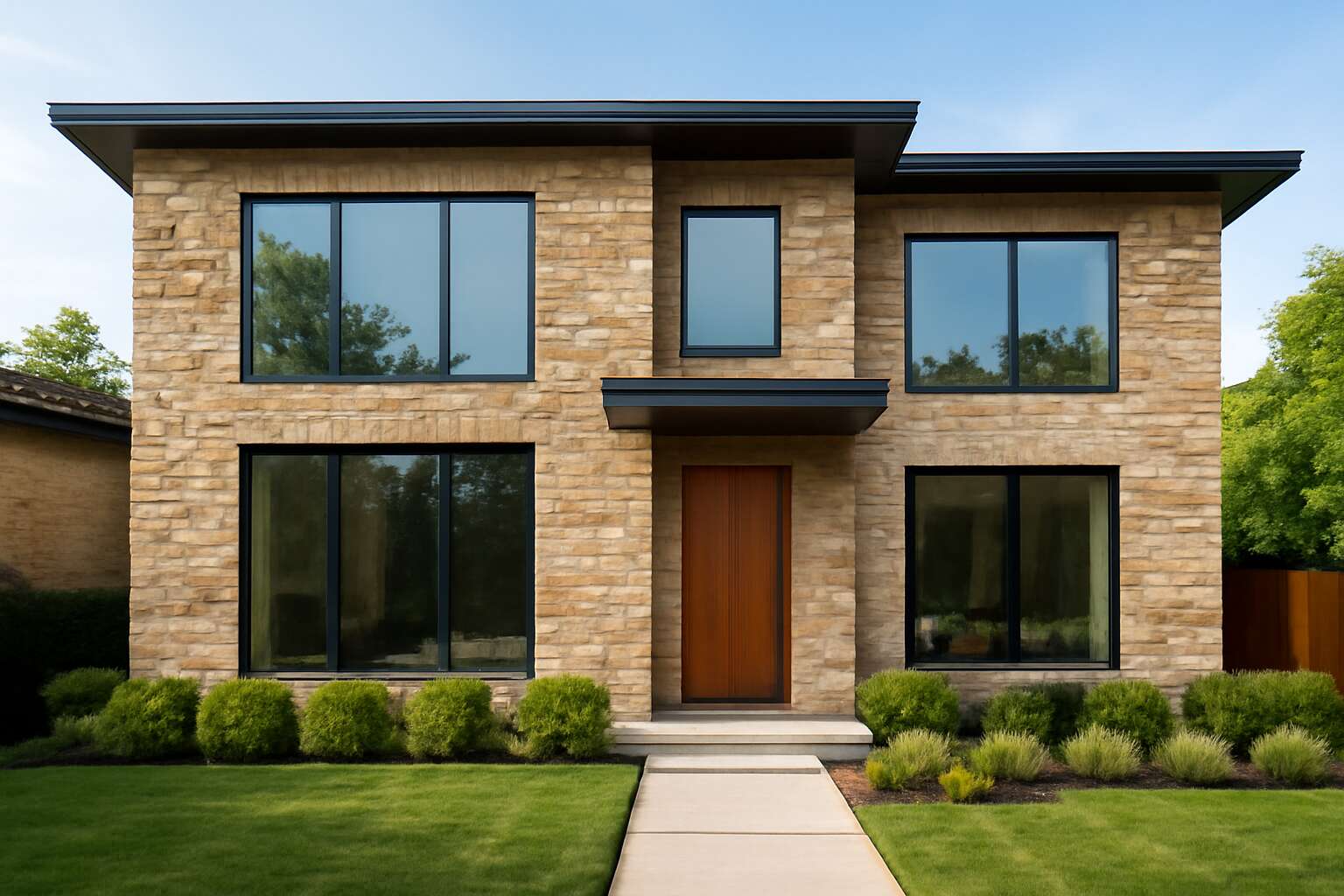
Choosing Stone Cladding for Your Home
Benefits of Stone Cladding for Exterior Walls
Choosing stone cladding for your home isn’t just about looks—it’s a practical, value-driven decision for South Africa’s sun and rainfall. A stone cladding house communicates lasting value and resilience, while adding texture that shifts with the light. When selecting finishes, aim for colours that harmonize with your roof and surroundings, and consider how the stone will perform in coastal humidity or the Highveld heat.
- Durability against SA weather, wind, and humidity
- Low maintenance compared with timber or paint finishes
- Enhanced thermal mass for natural cooling in summer and warmth in winter
Benefits of stone cladding for exterior walls include durable performance, low ongoing maintenance, and improved thermal mass that helps keep indoor temperatures steady. It also boosts curb appeal and can lift resale value in South Africa’s varied property markets.
Assessing Home Style and Stone Type Compatibility
“Stone endures more seasons than fashion,” a seasoned builder likes to say, and that patience is the first virtue when choosing stone cladding for your home. A stone cladding house becomes a narrative etched in light and texture, not merely a shell but a living skin.
Assessing home style and stone type compatibility means reading the design’s tempo—Cape Dutch curves, modern minimalism, or coastal calm. Consider scale, window rhythm, and roof colour; the stone should harmonize rather than shout. For texture, select finishes that catch the morning and evening light, letting the façade shift with the day.
- Slate
- Limestone
- Granite
- Travertine
Choosing the right stone also means considering maintenance quirks and installation details—hidden fixings, weathered joints, and how the surface ages under SA sun. A well-chosen palette makes the façade feel timeless, connected to its surroundings and ready for centuries of weather and warmth.
Color and Texture Considerations
‘Stone endures more seasons than fashion,’ a seasoned builder likes to say. For a stone cladding house, color is a weathered lyric—hushed hues that mirror veld and coast, not loud proclamations. In South Africa’s light, choose tones that age gracefully: warm creams, soft charcoals, or muted terracotta that deepen with the sun and soften at dusk. The aim is harmony with the landscape, letting the stone breathe with wind and shade.
Texture lands softly or boldly, catching the sun at different angles. Consider these finishes, which shape the stone cladding house’s character in passing seasons:
- soft sawn for a gentle glow
- bush-hammered for rugged shadow
- weathered patina that ages evenly
A well-chosen color and texture define its rhythm, weaving light and shadow into the walls. Let the palette reflect local geography, and the façade will tell its story for decades with quiet authority.
Durability and Weather Resistance
“Stone endures more seasons than fashion,” a seasoned builder likes to say. In South Africa, durability matters as relentlessly as the noonday sun. Selecting a finish for a stone cladding house is choosing memory—stone that ages with wind, light, and shade, not one that sags under a harsh season. It’s architecture with weather as its chorus.
Durability hinges on how the stone resists sun, rain, and temperature swings, and on how it sits on the wall with joints that breathe. You’ll want a balance of density and porosity, forethought about drainage, and a finish that guards color year after year.
- low porosity for moisture resistance
- drainage-friendly detailing that sheds water
- UV-stable color and long-term weathering
Together, these traits translate into exterior walls that endure decades of South African light, telling a quiet story of place and resilience.
Energy Efficiency and Insulation Benefits
South Africa’s searing summers demand more than shade; a well-chosen stone cladding house can trim cooling needs by as much as 20% when paired with smart insulation. Stone’s natural heft slows heat transfer, turning walls into quiet temperature moderators.
In practice, the energy story lives in the wall through mass, moisture management, and air control. A ventilated cavity and careful detailing let the wall breathe, while a continuous insulation layer minimizes heat ingress. These elements work together to keep interiors comfortable without relying on brute power—it’s architectural alchemy.
- Thermal mass dampens daytime heat and reduces peak cooling loads
- Ventilated detailing promotes natural convection, lowering surface temperatures
- Low porosity and well-sealed joints limit drafts and moisture migration
Stone Cladding Materials and Finishes
Natural Stone Options: Slate, Granite, Limestone, and Marble
Curb appeal can lift a home’s value by up to 15%, and a stone cladding house does it with quiet authority. Natural stone options bring warmth, texture, and longevity to façades across South Africa’s climates.
- Slate — dense, durable, with moody tones and fine textures that age gracefully.
- Granite — exceptionally hard, with a kiln-fired sheen and varied color bands.
- Limestone — softer, warmer hues, ideal for contemporary or classical profiles.
- Marble — luminous veining for refined elegance, best with proper sealing.
Finishes woven with a home’s style create a narrative as enduring as stone itself. Finishes: honed, polished, or tumbled surfaces can alter the light play and mood of the exterior without compromising resilience.
Composite and Engineered Stone Alternatives
In South Africa, a well-chosen stone cladding house can lift curb appeal and value by up to 15%, and do so with quiet authority. The drama here isn’t glare; it’s texture, longevity, and a low-maintenance persona that says you know what you’re doing.
- Quartz-based engineered stone panels: non-porous, color-stable, and surprisingly forgiving in coastal or inland climates.
- Sintered stone and porcelain panels: ultra-durable, UV- and heat-resistant, with wide texture palettes.
- Fiber-reinforced cement composites: robust, fast to install, and compatible with a range of finishes.
Finishes like honed, brushed, or tumbled change how light plays on the surface, giving the facade a different mood without compromising resilience. A careful finish choice can make the façade feel timeless and contemporary at once.
Finishing Techniques: Riven, Cut, and Split Face
I’ve seen a well-chosen stone cladding house lift curb appeal by up to 15% and quietly establish authority on any South African street—texture is the drama here! Honed surfaces glow softly, brushed finishes offer tactile bite, and tumbled edges feel ancient and alive. The right finish plays with light, shaping shadows that move with the sun and seasons, while staying remarkably low maintenance. The result is a façade that reads as confident, timeless, and enduring.
Finishing techniques to consider include:
- Riven
- Cut
- Split Face
Finishing techniques like these bring depth, with textures that respond to sun and wind—quietly transforming the exterior without sacrificing resilience. They let your home read as both timeless and contemporary, a confident statement in any climate.
Sustainability and Sourcing Ethics
In South Africa, the stone cladding house becomes more than a façade—it is a climate-tuned instrument, aging gracefully under the sun. “Stone carries the land’s memory,” a Cape Town architect says, reminding us that where we source matters as much as how it looks.
Sustainability and sourcing ethics guide every grain. Local quarries shrink transport miles; reclaimed stone reduces waste; and transparent supply chains build trust. Consider these levers:
- Local quarry sourcing to minimise transport emissions
- Reclaimed or recycled stone to reduce waste
- Third-party certifications and transparent supply chains
- Low-impact installation and responsible waste management
At the end of the day, the material choice shapes embodied energy and long-term maintenance, while the façade stands as a grounded, modern presence—soulful, resilient, and ethically aligned on South African streets.
Installation, Maintenance, and Longevity
Professional Installation vs DIY Considerations
Installation of a cladding system is more than a surface upgrade—it’s a weather shield. In South Africa’s sun and sudden deluges, precision at the substrate, flashings, and joints defines decades of performance, a quiet vigil over your walls.
Maintenance keeps character intact. Gentle cleaning preserves texture, and sealants require periodic attention to prevent micro-gaps from trapping grit.
Longevity favors quality materials and proper installation. A stone cladding house that is well installed stands the test of time; professional installation offers warranty protection, while DIY risks hidden damage.
Here are considerations that quietly shape performance.
- Substrate compatibility and movement
- Drainage paths and flashing
- Joint integrity and seasonal checks
Surface Preparation and Weather Windows
Weather is relentless; a stone-clad façade must stand up to sun and sudden downpours. Installation becomes a weather shield, not a cosmetic lift. The team aligns the base wall, checks movement, shapes drainage routes, and places flashing that guides moisture away from the joinery.
Maintenance keeps character intact. Gentle cleaning preserves texture, while sealants demand periodic attention to prevent micro-gaps from trapping grit. In South Africa, regular checks on joints and edges catch issues early, letting the stone’s natural patina deepen without drama.
Longevity favors quality materials and thoughtful surface preparation, followed by timing the work for suitable weather windows. A carefully prepared surface and a dry, moderate window reduce the risk of trapped moisture and efflorescence, helping the stone cladding house endure decades with quiet dignity.
Sealing, Cleaning, and Periodic Maintenance
Installation is where the stone cladding house becomes its own weathered shield. With precision mortars, clean lines, and hidden fixings, I marry the wall to the frame, resisting the South African sun and sudden downpours. I read the wall like a map, aligning courses, and inviting moisture away with thoughtful flashing.
Maintenance keeps the surface alive: gentle cleaning, timely resealing, and edge checks. In our climate, periodic attention to joints prevents micro-cracks from deepening and preserves the stone’s patina.
- Clean with soft-bristle brushes and pH-neutral cleaner, rinse thoroughly.
- Inspect and refresh sealants where needed, focusing on joints and edges.
- Tidy drainage paths and verify flashing still guides moisture away.
Longevity rewards patience and monitoring for the stone cladding house: scheduled inspections, re-sealing when signs of wear appear, and avoiding grit in tiny gaps.
Repair and Replacement Strategies
A well-installed stone cladding house stands as a quiet sentinel against South Africa’s sun and sudden downpours. With precision mortars, clean lines, and hidden fixings, it bonds with the frame and ages with dignity. “Stone ages gracefully when anchored right,” the old tradesman used to say, and he was onto something.
Maintenance stays curious and patient: monitor joints for signs of movement, ensure drainage paths stay clear, and respect the wall as a living skin that breathes with the wind. In our climate, periodic attention keeps the surface from turning to dusty memories.
Longevity rewards patience and wise choices for the stone cladding house: when issues arise, prefer solutions that preserve texture and color. Consider these strategies:
- Selective repointing with compatible mortar to preserve patina.
- Careful panel replacement using matched stone or engineered equivalents.
- Flashings and joints redesigned to accommodate movement and moisture paths.
Warranty and Longevity Expectations
Installation is the quiet architecture that unlocks a stone cladding house’s fate. In SA light, a faultless fit—substrate respect, hidden fixings, clean lines—lets the exterior speak with dignity. When the shell is true, sun and downpours are only passing weather, not verdicts!
Maintenance stays curious and patient: the wall’s joints may reveal movement, drainage may reveal its path, and the surface breathes with the wind. In our climate, gentle vigilance preserves texture and tone, turning a daily facade into a lasting memory for a stone cladding house.
Warranty and longevity expectations walk hand in hand with craft. We stand behind the work with warranties that recognize movement, moisture considerations, and patina. When issues arise, balance texture and color, and the stone cladding house endures with quiet grandeur.
Design Aesthetics and Architectural Styles
Cladding Colors, Grain, and Patterning
Across South Africa, nearly 80% of buyers note exterior stone influences first impressions within seconds; the rest is theatre in light and texture. A stone cladding house becomes a living landscape—anchored in place, yet ready to spin a tale of sun, shade, and season!
Design aesthetics here ride the line between architectural styles—from vernacular to modern-minimalist—and the palette of cladding colors, grain, and patterning. Think warm limestone glows beside slate shadows, or timber-like grain running in long strakes that draw the eye upward.
To guide the aesthetic journey, consider how color, grain, and patterning translate a home’s presence into landscape poetry:
- Warm earth tones that echo veld and dune sands
- Cool mineral shades that mirror granite and slate
- Sun-warmed ambers that recall brick and sunrise light
Grain direction and jointing texture shape the façade’s scale, letting arches rise or walls stretch toward the skyline.
Mixing Stone with Other Cladding Materials
Stone has a way of starting a conversation for a home. Across South Africa, nearly 80% of buyers admit the exterior sets the tone within seconds, and a thoughtfully arranged stone cladding house becomes a living paragraph of sun, shade, and texture. Design aesthetics drift between vernacular warmth and modern restraint, letting grain, color, and jointing do the talking.
Mixing stone with other cladding materials broadens the narrative. Here are textures and companions that harmonize rather than clash:
- Timber-inspired panels that echo local forests
- Metal accents for edge and light-play
- Rendered plaster or brick slips to soften lines
Keep the palette cohesive by letting grain direction and jointing texture guide the composition, so the design reads as a landscape rather than a rigid façade—timeless in South Africa’s varied light, and a touch more charismatic than your neighbour’s fence.
Textures and Facade Rhythm
Across South Africa, nearly 80% of buyers admit the exterior sets the tone within seconds, and a stone cladding house becomes a living landscape of sun, shade, and texture. Design Aesthetics unfold as a quiet conversation between vernacular warmth and modern restraint, letting grain, color, and jointing do the talking. The result is architecture that feels timeless yet unmistakably contemporary, a silhouette that mirrors the earth and the sky.
Textures and Facade Rhythm give the home its heartbeat.
- Grain direction that guides the eye along walls, not across them
- Joint texture that catches light and creates pockets of shadow
- Proportions of stone panels that read as a landscape rather than a rigid fence
Together, the composition breathes with South Africa’s varied light, turning each facade into a lyric—a statement of place, craft, and enduring beauty.
Curb Appeal and Market Value Impact
Across South Africa, nearly 80% of buyers admit the exterior sets the tone within seconds. A stone cladding house becomes a living landscape—sunlit, shadowed, and quietly expressive. Design aesthetics emerge as a nuanced conversation between rooted warmth and contemporary restraint, letting the building’s skin speak in color, scale, and seamless joints.
- Scale and entry presence that invites visitors
- Light play across textured faces that changes with the day
- Color harmony with site and landscape
Beyond beauty, the stone cladding house can elevate curb appeal into measurable market value. Buyers perceive craft, durability, and a sense of place at a glance, which translates into faster interest and stronger offers.
Cost, Budgeting, and Return on Investment
Upfront Material Costs and Labor
A bold sunrise over a new stone cladding house hints at value that sticks. The headline act is upfront material costs and labor, measured not in rash promises but in clear arithmetic; a well-structured budget turns heft into lasting ROI for your home in South Africa.
Budgeting anchors the dream. Consider these core components upfront:
- Upfront material costs for natural or engineered stone, adhesives, and insulation
- Labor costs and skilled installation, scaffold access, and site protection
- Logistics, longer lead times, and contingency for weather windows
Return on investment is palpable for a stone cladding house, as the facade endures, boosting curb appeal, potential resale value, and even energy performance in SA’s climate; the initial outlay is recouped in durability and reduced maintenance over time.
Long-Term Maintenance Costs
“Stone endures,” my mentor used to say, and that stubborn truth shapes our budgets as surely as our facades. A stone cladding house offers instant curb appeal, but it’s the upfront material costs and skilled installation that set the budget’s backbone. In South Africa, a clear plan converts heft into lasting ROI, weathering delays with poise.
- Initial purchases of stone material (natural or engineered), adhesives, and thermal insulation
- Skilled labour, scaffolding, and on-site protection measures
- Logistics, lead times, and weather-driven contingencies
Over the long horizon, ROI becomes tangible: a durable facade resists weathering, lowers maintenance demands, and nudges curb appeal upward in SA’s markets. For a stone cladding house, long-term maintenance costs tend to stabilise after the initial years, delivering predictable performance and enduring character.
Financing, Grants, and Insurance Considerations
“Stone endures,” a maxim that tightens budgets as surely as grout under pressure. A stone cladding house delivers instant curb appeal, yet the math begins with upfront purchases: natural or engineered stone, adhesives, and thermal insulation. Factor in skilled labour, scaffolding, and on-site protection, plus logistics and weather contingencies. In South Africa, a clear plan converts heft into lasting ROI, turning a beautiful façade into a durable asset that weather and time can’t easily spoil. I’ve learned that patience here pays off!
Financing, grants, and insurance considerations.
- Financing options: mortgage or construction loan tailored to renovations
- Grants and incentives for energy-efficient facades
- Insurance coverage: builder’s risk, warranties, and material-specific clauses
Over the long horizon, those costs settle into a pattern, and the resulting ROI — a tangible blend of durability, reduced upkeep, and enhanced curb appeal — helps a property rise in value across SA markets.
Estimating Square Footage and Project Scope
Budgeting a cladding project isn’t merely about kerb appeal; it’s arithmetic with an eye for elegance. In SA, a clear plan turns upfront heft into lasting ROI, while weather quirks and supply delays remind us that durability deserves discipline.
- Measure exterior walls precisely: length, height, and every door or window opening.
- Decide stone type, thickness, and pattern to estimate coverage per metre.
- Include a waste allowance of 5–10% for cuts and breaks.
- Budget adhesives, insulation, anchors, and scaffolding to avoid surprise line items.
- Set aside a contingency for weather windows and delivery delays.
When you total these figures for a stone cladding house, the ROI becomes a tangible blend of durability, reduced upkeep, and enhanced curb appeal across SA markets.

0 Comments