
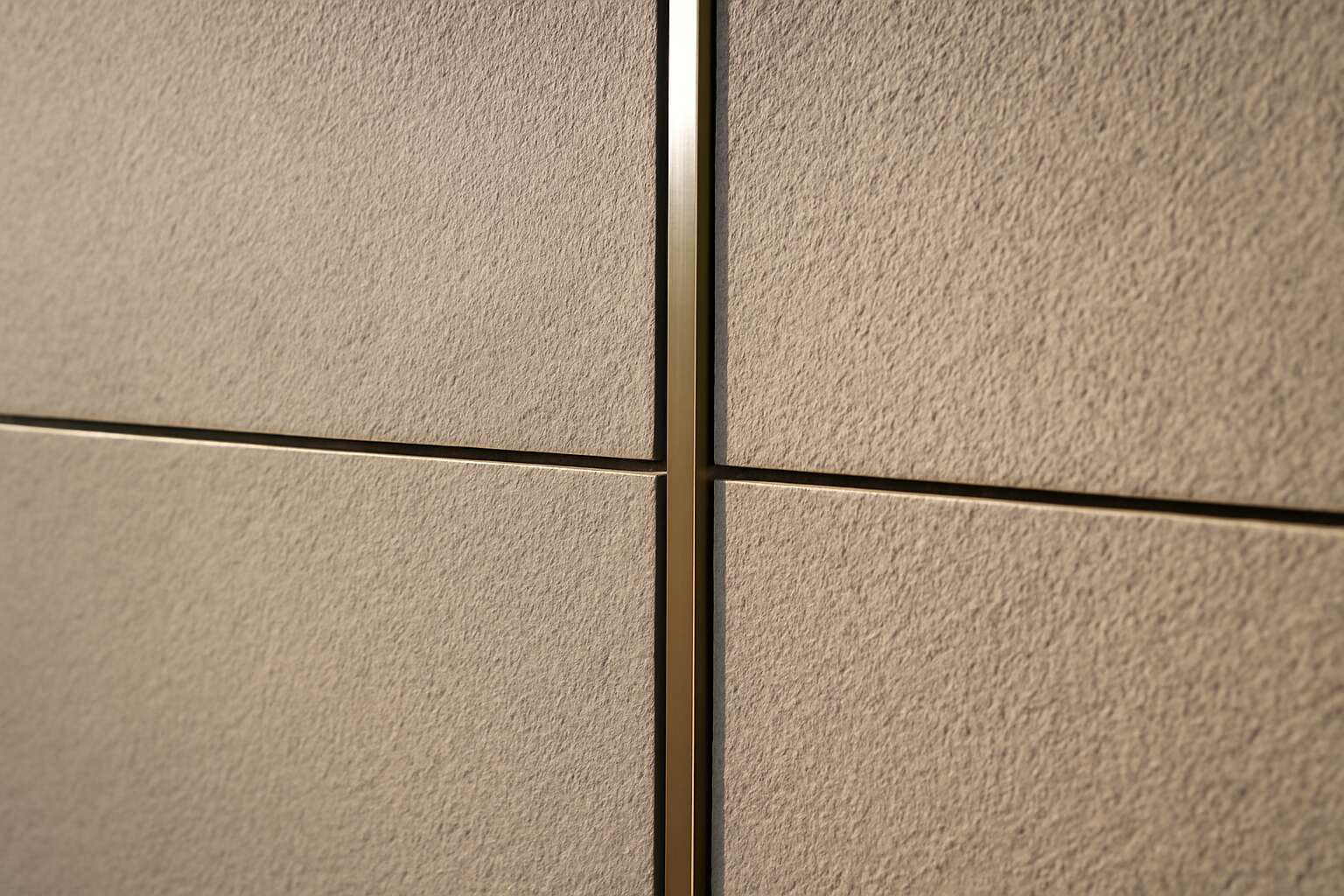
Understanding cladding edge details
What edge trim is and its role in cladding systems
Edge details decide whether your cladding project shouts durability or whispers drip-prone disaster. In South Africa, edge trim issues rank high among warranty calls, with a surprising portion tied to trim missteps. That is the punchline: the fate of your weatherproofing often hinges on how the edges are finished!
Edge trim is the protective, finishing strip that bridges panels and substrate, shaping the joint and guiding water away. In wall cladding edge trim, it seals, masks irregularities, and tolerates movement—think of it as the choirmaster for weatherproofing. It comes in metals, plastics, and composites, chosen to match finishes and climates.
- directs water away from the panel edge
- covers expansion gaps to absorb movement
- delivers a neat, durable finish that resists weathering
When the trim aligns with the system design, South African façades stay sharp under sun and spray alike.
Key components of an edge trim setup
Edge details sculpt the water path and the visual edge of a wall. In cladding projects, the wall cladding edge trim acts as the conductor, guiding moisture away and smoothing irregularities. The key components of an edge trim setup include proper mating with substrates, compatible sealants, and secure fixing methods that tolerate movement without corners lifting.
- Material compatibility
- Edge profile and substrate match
- Fastening and sealing method
Choosing the right wall cladding edge trim means anticipating expansion gaps, wind-driven spray, and seasonal movement. When a system aligns—materials, profiles, and seals working in concert—the façade holds its line under sun and rain.
Common materials used for edge trims
Edge details are the quiet heroes of a building, and in South Africa’s weather their patience pays off. A robust wall cladding edge trim steers moisture away and smooths the irregularities where wall and sky meet—and yes, it survives a morning gale and a sudden shower with equal poise.
Common materials used for edge trims include:
- Aluminium (marine-grade)
- Stainless steel
- uPVC
- Fibre cement
- Zinc
Beyond material choice, the profile and fixings matter as much as the surface. The right wall cladding edge trim works with expansion gaps, wind-driven spray, and seasonal movement, ensuring it keeps its line through sun and rain.
Typical profiles and shapes
Edges decide the wall’s whisper—the line where panel meets air. In South Africa’s brisk mornings and sudden showers, the truth hides in the detail. “Edges must endure weather with quiet dignity,” a SA architect reminds us. Understanding cladding edge details means reading the seam where moisture wanders and expansion comes to rest.
- Flat, square-edged trims for crisp lines
- L- or J-profile trims bridging gaps
- Cap or drip profiles channel water away
Typical profiles and shapes bring both function and rhythm to a façade. The choice depends on surface irregularities, movement, and fixing method—all aimed at keeping the edge trim true through sun and rain, and ensuring the wall cladding edge trim remains faithful to its line.
When edge trim is necessary
Edge details decide the wall’s weather story. A Cape Town architect once said, “Edges endure weather with quiet dignity,” and that truth guides every cladding project. Reading the seam where moisture wanders is as practical as it is patient—the wall cladding edge trim must pause expansion and keep wind-driven spray at bay.
Understanding the edge details means spotting where panels meet air and how fixes resist movement. The right profile blends function with rhythm, preventing leaks while preserving the line. Choosing the wall cladding edge trim that suits movement helps manage expansion. Consider these on-site realities:
- Edge trim profiles that match surface irregularities and accommodate movement
- Consider drainage and expansion gaps to prevent binding
- Use weather-resistant fasteners to deter corrosion
With care, the edge trim remains faithful to its line through sun and rain, quietly doing its job.
Material options for cladding edge profiles
PVC, aluminum, steel, and composite options overview
Edge trim is the quiet handshake between wall and weather; as a seasoned SA foreman quips, “it’s the handshake that keeps rain out and the look intact.” In wall cladding edge trim discussions, this detail informs durability, aesthetics, and long-term value.
PVC, aluminum, steel, and composites each offer a different balance of cost, corrosion resistance, and finish life. For wall cladding edge trim, PVC remains the budget-friendly option that’s easy to work with, while aluminum brings lightness and a modern sheen. Steel gives rugged strength in harsher climates, and composites blend stability with low maintenance.
- PVC: affordable, good weather resistance, easy fabrication
- Aluminum: lightweight, corrosion resistant, recyclable
- Steel: high strength, durable, needs coating
- Composite: warp-resistant, low maintenance, long lifespan
Local conditions—sun, moisture, and temperature—shape performance, so consider the edge trim’s long game rather than the instant wow factor.
Advantages and trade-offs by material
Edge trim is the quiet handshake between wall and weather—a detail that holds out rain and preserves the look. In South Africa’s varied sun and humidity, choosing wall cladding edge trim is as much about lifetime value as instant curb appeal.
Material options and trade-offs at a glance:
- PVC — affordable, easy fabrication; weather resistant, but finish can fade over time.
- Aluminum — lightweight, corrosion resistant, recyclable; higher upfront cost.
- Steel — strong and durable; needs coating to prevent rust.
- Composite — warp-resistant, low maintenance, long lifespan; premium price.
Local conditions—sun, moisture, and temperature—shape performance, so think long game. The right choice shields both structure and story, season after season.
Weather resistance and durability considerations
Edge trim is the hinge between shelter and storm, the quiet handshake that keeps rain from writing on your plaster and style from fading. In South Africa’s climate—bold sun, damp heat—the right wall cladding edge trim shapes longevity as surely as curb appeal.
Material options carry weather stories of their own. They answer the weather with different temperaments, and durability hinges on how a profile resists UV, expansion, and moisture as the seasons wheel by. When selecting edge trim for the façade, you weigh these traits—care meets craft.
- UV stability and color retention under sun
- Moisture sealing and ingress prevention
- Coatings and finishes compatibility
Choosing the right wall cladding edge trim is a blend of science and poetry—a shield that preserves structure and story, season after season.
Sustainability and recycling factors
“Edges bear the weather so the heart of the wall can rest,” an old builder told me, and it rings true under South Africa’s sun. Material options for wall cladding edge trim carry that weather-born tale, needing to resist UV, moisture, and heat while aging gracefully.
When I weigh sustainability, I look at the full lifecycle—from production to end of life. Recyclability, recycled content, and low-impact coatings help a trim outlast storms without bloating landfills.
- Local sourcing reduces transport emissions
- Recyclable metals and durable polymers ease end-of-life recovery
- Recycled-content composites lower virgin material demand
- Low-VOC finishes protect indoor air quality
Choosing wall cladding edge trim is a quiet pledge to a home that endures both drought and flood, a small chapter of craft in a larger landscape.
Cost and availability impact
Material options for cladding edge profiles carry a spectrum of costs and availability that often molds the on-site truth. In South Africa, local stock, milling capacity, and import duties tilt the balance between a gleaming metal trim and a timber-look composite. The wall cladding edge trim becomes the quiet border where weather and design meet, a hinge between today’s needs and tomorrow’s rain-soaked memories.
Here are the factors that quietly steer price and supply:
- Local sourcing and stock levels shape price and lead times
- Fabrication lead times and minimum order quantities affect scheduling
- Import duties, freight routes, and currency fluctuations influence overall cost
Choosing the right profile is a negotiation between durability, aesthetics, and budget—an underwriting of future weather and wear.
Installation best practices for edge trim systems
Preparing the substrate and alignment techniques
Industry surveys reveal that 60% of cladding failures trace to inadequate substrate prep, a statistic that cuts to the heart of installation philosophy. Preparation sets the tempo for any wall cladding edge trim, especially where it must sit true under South Africa’s variable climate. A prepared substrate becomes the quiet backbone of a durable facade.
Alignment techniques hinge on a single principle: a stable datum. Use laser levels and long straight edges to establish a consistent reference, then ensure the plane remains true as trim beds into place.
- Establish a datum line and verify horizontal and vertical alignment across the substrate using a laser level or straight edge
- Confirm flatness and address deviations with appropriate patching or skim coats, avoiding build-up of high spots
- Dry-fit the edge trim components to confirm fit before attachment
Respect for tolerances, clean transitions, and thoughtful sequencing yield results that endure!
Step-by-step installation tips for seamless joins
Few sights are as honest as a clean line where wall cladding edge trim meets the sun-warmed wall. In South Africa’s variable climate, that line tells a story of patience and craft. A good finish isn’t flashy; it’s quiet—holding the facade steady as wind, rain, and heat shift with the day!
- Establish a clean visual line to guide the trim’s placement and ensure the joins read true from a distance.
- Evaluate gaps and aim for even contact so seams breathe with light and shadow.
- Finish with a seamless transition that respects textures and weather exposure.
Rural life teaches resilience; a well-set edge trim saves maintenance when it sits kindly against the seasons. The result is a durable, quiet beauty that ages gracefully under an African sky.
Sealants, fasteners, and fixing methods
From the hush of a sunlit facade, sealants and fixings breathe with the seasons. For wall cladding edge trim in South Africa’s climate, elastic, UV-stable formulations guard joints against wind and rain, keeping the line clean and the profile true as day yields to night.
- Elastomeric sealants that stay flexible with movement.
- Corrosion-resistant fasteners matching the trim material.
- Color- and UV-stable compounds to blend with finishes.
- Proper curing and surface prep to prevent cracks.
Fixing methods should respect movement, not fight it, as I have learned. Use corrosion-resistant fasteners, with proper load distribution and careful torque to keep profiles true and seams quiet.
Patience in assembly yields endurance; the trim stands guard against time.
Common installation pitfalls and how to avoid them
In South Africa’s wind and sun, careful edge detailing matters more than it looks. The wall cladding edge trim is not merely decorative—it guards joints, channels moisture, and accommodates movement. A thoughtful installation balances aesthetics with resilience, avoiding the trap of hurried, cookie-cutter approaches.
- Rushed alignment that leaves micro-gaps
- Incompatible sealants or fixings with the trim material
- Overlooking substrate prep and surface cleanliness
- Ignoring thermal movement and expansion joints
Addressing these requires deliberate planning: verify material compatibility, respect movement, and foster clean, continuous lines.
Patience in assembly becomes an ethical choice, one that keeps the profile true and the seams quiet through seasons.
Tools you’ll need for a professional finish
Edge detailing isn’t cosmetic—it’s the quiet hinge on which durability turns. In South Africa’s wind and sun, installation best practices for wall cladding edge trim protect joints, channel moisture, and preserve clean sightlines. A thoughtful approach pairs restraint with precision, letting lines breathe while the trim stays true to its profile. The seasons test every seam, and patience becomes part of the craft.
Tools you’ll need for a professional finish include gear that reveals straightness, cleanliness, and a secure fit.
- Measuring tape and chalk line
- Straight edge and spirit level
- Caulking gun with compatible sealant
- Clean rags and solvent suitable for the trim
- Cutting tools appropriate for the trim material
With the right tools at hand, the line remains quiet and the joints endure the climate—a tangible statement of craft over haste.
Aesthetics and performance: color, finishes, and durability
Choosing color and finish to match cladding
A splash of color can transform a facade, from bold drama to quiet elegance. When choosing color and finish for wall cladding edge trim, imagine how South Africa’s sun, heat, and coastal air will age the surface. Lighter finishes reflect heat and stay cooler on hot afternoons, while deeper hues can conceal dirt, but demand UV-resilient coatings to stay true over time.
- Matte or satin finishes provide a sophisticated, low-glare look
- Textured or faux-wood tones mimic natural materials without extra maintenance
- Color-matched coatings keep joins seamless for a cohesive silhouette
Durability moves hand in hand with aesthetics through UV-stabilized resins and corrosion-resistant profiles, ensuring the trim withstands salt spray and blazing sun common along South Africa’s coastline. Coordinate hues with the main cladding to craft a narrative across the facade, letting the eye travel smoothly from edge to edge instead of stopping at a seam.
Impact of UV exposure on color stability
South Africa’s sun is a relentless designer, testing every hue and gloss on a facade. When selecting wall cladding edge trim, imagine how UV light will age the surface after years of heat and coastal air. Lighter finishes reflect heat and stay cooler on hot afternoons, while deeper hues can hide dirt but demand UV-stable coatings to stay true. A matte or satin sheen offers elegance with low glare, and the edge trim should echo the main cladding so the eye travels smoothly along the facade.
Durability walks hand in hand with aesthetics. For color stability, choose UV-stabilized resins and corrosion-resistant profiles that resist salt spray and blazing sun along South Africa’s coast. In this coastal climate, edge trim must endure weathering while keeping a cohesive silhouette from edge to edge, so the character of the building remains intact as the years pass.
Finishes that resist corrosion and wear
Coastal South Africa’s sun is a relentless designer, aging color and gloss on the building front. Aesthetics aren’t vanity; they are the manifest of resilience. For wall cladding edge trim, color honesty, matte or satin milled sheen, and a silhouette that travels smoothly from panel to trim are essential. Lighter finishes reflect heat and stay cooler on hot afternoons, while deeper hues can hide dirt—yet only UV-stable resins keep them faithful over time.
Durability lives in finishes that resist corrosion and wear. For edge trims, seek UV-stabilized resins and corrosion-resistant profiles that shrug off salt spray along the coast. The following finishes offer practical harmony with the main cladding:
- UV-stable coatings for metal and composite edge trims
- Salt-spray resistant resins and sealants
- Matte or satin finishes with low glare to retain color depth
Together, these choices preserve a cohesive silhouette from edge to edge, so the character of the building remains intact as the years pass—wall cladding edge trim ensuring the facade ages gracefully rather than weathering into distraction.
Texture and profile options for visual impact
Coastal South Africa’s sun is a relentless designer, aging color and gloss across facades. Aesthetics aren’t vanity; they’re resilience in visible form. For wall cladding edge trim, color honesty matters—a hue that stays faithful under heat, salt spray, and time.
Color and finish shape performance. Use UV-stable resins and corrosion-resistant profiles, with a light matte or satin milled sheen to keep glare low. Lighter finishes reflect heat; deeper hues hide dirt, but UV stability keeps them faithful.
Texture and profile options create visual impact. Consider surface textures and edge geometries that travel smoothly with the cladding.
- Brushed metal texture on trims
- Rounded or eased edge profiles
- Low-gloss composite finishes for depth
These choices preserve a cohesive silhouette year after year, letting the facade age gracefully rather than become a distraction—wall cladding edge trim.
Compatibility with different cladding materials
Coastal South Africa’s sun is a relentless designer, and color that looks fresh today may fade tomorrow. UV exposure under this sky can erode colorfastness by up to 60% over a decade. With wall cladding edge trim, color honesty becomes resilience in visible form—an attitude written into every seam.
Color and finish shape performance. Select UV-stable resins and corrosion-resistant profiles, with a light matte or satin milled sheen to keep glare low.
- UV-stable resins and corrosion-resistant profiles
- Light matte or satin milled sheen to curb glare
- Texture and edge geometry support a cohesive silhouette
Compatibility with different cladding materials is the true test. From cementitious boards to timber, metal panels to composites, edge trims must flex with substrates, endure moisture, and resist salt spray. When tuned for cross-material harmony, the wall cladding edge trim keeps the facade unified and dignified as it ages.
Maintenance, care, and replacement guidelines for edge trims
Cleaning routines for various materials
Weather is a patient teacher and the sun over South Africa can press trim edges into memory. For wall cladding edge trim, regular care keeps colour, seal, and joints intact, turning small annoyances into minor fixes before they grow.
Maintenance routines rely on gentle cleansing and inspection. Use mild soap and water with a soft cloth, avoiding abrasive pads and harsh solvents that dull finishes. The following guidelines apply to common materials:
- PVC/ vinyl edge trims (wall cladding edge trim variants): rinse with a soft cloth; avoid strong solvents
- Aluminium/steel edge trims: rinse after rain; inspect for corrosion and loose fixings
- Composite edge trims: avoid aggressive chemicals; wipe to maintain texture
Replacement considerations emphasize matching profile and finish; signs of pitting, cracking, loose fixings, or colour fading warrant professional assessment for the wall cladding edge trim. Regular checks help plan proactive refreshes rather than reactive repairs.
Signs it’s time to replace or repair trim
Small cracks today, big costs tomorrow. Routine care keeps the look sharp and the joints tight, even under South Africa’s sun and sudden showers. Paying attention to wall cladding edge trim pays off with longer life and fewer interruptions to the build.
Maintenance rests on gentle cleansing and regular inspection. The aim is to preserve finish and seal while avoiding abrasive pads or harsh solvents that dull surfaces. Regular checks catch early wear before it becomes a bigger job.
- loose fixings
- pitting or cracking
- significant colour fading
- water staining or corrosion
Replacement decisions hinge on matching profile and finish. Signs like persistent movement, cracking, or fading that compromise weather resistance warrant professional assessment. Proactive refreshes protect the cladding system and keep costs manageable over time.
Long-term maintenance plan and inspection frequency
Edge trims do more than frame a panel—they seal, align, and finish the look. In South Africa’s blistering sun and sudden showers, a well-maintained wall cladding edge trim can last twice as long as a neglected one, saving time and expense in the long haul.
Maintenance rests on gentle cleansing and regular inspection. The aim is to preserve finish and seal while avoiding abrasive pads or harsh solvents.
- Clean with soap and water, then rinse gently
- Check for looseness, movement, and seal integrity
- Look for colour fading or staining and plan a professional assessment if changes appear
Replacement decisions hinge on matching profile and finish. If persistent movement, cracking, or fading compromises weather resistance, seek assessment. Proactive refreshes keep the cladding system resilient and costs predictable over time.
Impact of weather and pests on trims
South Africa’s climate is unforgiving—the sun scorches by day and sudden showers hammer the walls. The wall cladding edge trim bears the brunt, yet proper care can slow wear and keep lines crisp. Maintenance focuses on gentle cleansing and periodic checks for movement or seal integrity, even without heavy jargon. When the system shows subtle changes, it’s a nudge toward replacement decisions that fit the home’s pace and budget.
- UV fading or chalking that dulls colour
- Looseness at joints or gaps along the trim
- Corrosion on metal fasteners or rust spots
- Warping, cracking, or swelling after heavy rain
Weather and pests leave their marks; coastal salt wind can corrode metal, termites may target wooden components, and birds may nest around edges—reminders that the wall cladding edge trim deserves eyes-on attention to decide when replacement is the wiser path.
DIY vs professional replacement considerations
Maintenance for wall cladding edge trim is a quiet vigil, a whisper that the house remembers the storms. A soft cloth, mild soap, and a careful rinse keep the finish from fading under the SA sun. After storms, check joints and seal integrity for movement or creeping gaps.
Replacement becomes wiser when the trim shows chronic looseness, cracking, rust, or warping—signs that the next gale may finish what time began.
- DIY path: lower cost but requires safe access and profile matching.
- Professional route: guaranteed fit and weather-ready seals.
- Decision drivers: budget, climate, and substrate condition.
Ultimately, the choice rests on timing, safety, and the house’s climate—edges that endure or crumble with the next season’s breath.


0 Comments