
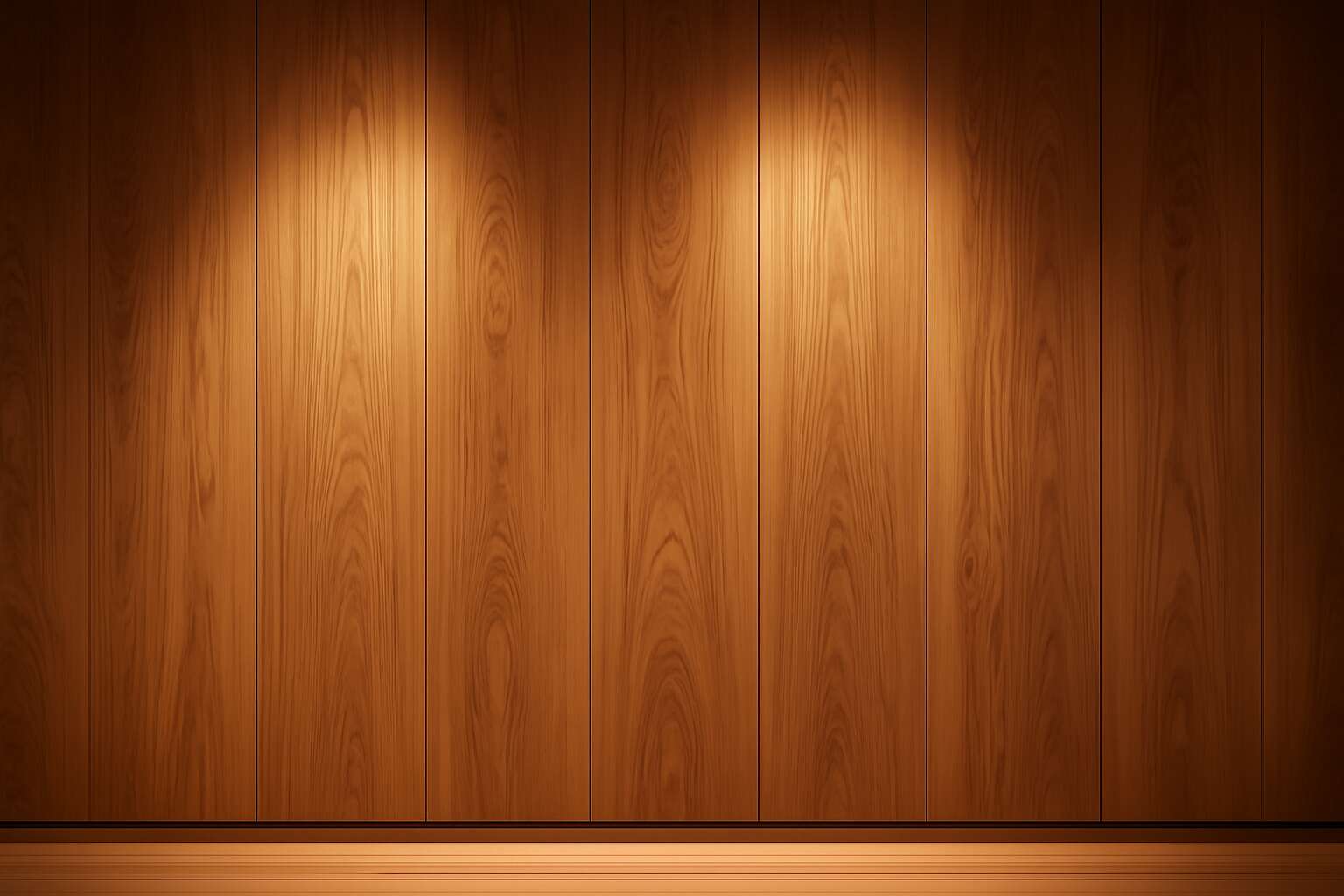
Veneer-based wall cladding: basics and benefits
What veneer-based wall cladding is and how it differs from solid panels
A bold, budget-friendly façade? Veneer-based wall cladding delivers. It’s a thin sheet of real material—wood, stone, or ceramic—bonded to a robust backing. The result is authentic texture and warmth, with the crisp lines of wall cladding veneer that won’t break the bank.
Under the hood, veneer-based wall cladding differs from solid panels in several practical ways:
- Lighter weight and faster installation, a boon for projects across South Africa.
- More affordable upfront, with a look that mimics heavier materials without the hefty price tag.
- A vast finish palette—from timber warmth to stone cool—while retaining the authentic feel.
The practical payoff is durability and maintenance. The veneer rides on a substrate engineered for outdoor life, resisting weathering and moisture while keeping color and texture intact—perfect for South Africa’s diverse climates.
Common materials used in veneer cladding (natural wood, engineered options, composites)
A well-made wall cladding veneer can transform a budget build into a look-alike of high-end material, instantly elevating curb appeal. In SA, architects love its warmth, texture, and the stealthy trick of authenticity without breaking the bank.
Basics and benefits: wall cladding veneer uses a thin sheet of natural wood, stone, or ceramic bonded to a tough substrate—providing the authenticity of the real thing with far less weight. Common materials fall into three families: natural wood veneer, engineered wood veneers, and composite options that mimic stone or ceramic without the heft.
- Natural wood veneer
- Engineered wood veneers
- Composite stone/ceramic veneers
Together, these options deliver the warmth of timber, the durability of stone, and the practical versatility South Africa builders crave.
Design possibilities and aesthetic trends with veneer cladding
In South Africa’s architectural dialogue, veneer-based wall cladding is the quiet trick that adds warmth and texture without the drama. A wall cladding veneer is a thin sheet bonded to a robust core, delivering surfaces that read as real timber, stone, or ceramic with far less weight.
Design possibilities with veneer cladding lean into rhythm and restraint. For South Africa projects, vertical runs with wall cladding veneer can elongate façades, while wide panels announce confidence. Consider grain direction, panel widths, and concealed joints to keep lines clean.
- Grain direction choices (vertical, horizontal, or chevron) to sculpt the eye
- Mixed panel widths for dynamic façades
- Concealed joints and battening for clean lines
- Color and texture coordination with stone or ceramic composites
Finessed textures and warm undertones are the current aesthetic mood in SA, delivering a premium look with practical ease. After all, wall cladding veneer offers authenticity without the heavy baggage.
Key advantages for interior and exterior spaces (cost, speed, versatility)
Veneer-based wall cladding is a quiet, luminous heartbeat for South Africa’s interiors and façades. It pairs authentic warmth with a measured footprint—lightweight, precise, and forgiving—so surfaces read as real timber, stone, or ceramic without the heavy cost. This wall cladding veneer offers tactile richness that ages gracefully with space and light.
Inside and out, its versatility shines—from feature walls and lobby ceilings to exterior façades and courtyards, it expands design language without overburdening budgets. The key advantages weave cost, speed, and versatility into one practical narrative: lighter materials, shorter install times, and fewer structural demands.
- Cost efficiency and reduced waste
- Speed to install and adapt to schedules
- Versatility across climates and conditions
In SA projects, this quiet solution can harmonize with timber, stone, and ceramic composites, delivering warmth while withstanding blistering sun and humidity.
Materials and finishes for veneer cladding
Natural wood veneers versus engineered veneer options
Wall cladding veneer offers a warm, authentic look without the weight of solid timber. “The right veneer finish can transform a room without blowing the budget,” a South African designer says, and it sticks. Natural wood veneers deliver real grain patterns and a tactile depth that feels alive; engineered veneers, by contrast, are stabilized with layers that resist warping and perform reliably in varying humidity. Finishes matter as much as the core: oils emphasize grain, while hard-wearing finishes lock in colour and enhance durability for both interiors and exterior façades.
Finishes to consider include:
- Oiled finishes
- Water-based polyurethane
- UV-cured lacquer
For wall cladding veneer, the finish also dictates maintenance cadence and resilience against SA’s sun and humidity. The choice between natural wood veneers and engineered options should align with project climate, budget, and the desired level of authenticity.
Popular finishes and textures for veneer panels (matte, satin, textured)
Across South Africa, finishes account for up to 35% of interior renovations, and wall cladding veneer offers a premium, lighter alternative that doesn’t demand heavy structural work.
Material choices range from natural wood veneers to engineered options and composites, each pairing with a system finish that resists SA sun and humidity. Popular finishes and textures for veneer panels include:
- Matte, satin, and textured surfaces that reveal grain without glare
- Oiled finishes that deepen colour and accentuate depth
- Water-based polyurethane for low odor and easy maintenance
- UV-cured lacquer for exceptional durability and colour retention
Finish selection and texture should harmonise with climate, maintenance cadence, and the desired level of authenticity in wall cladding veneer projects.
Sustainability considerations: sourcing and certifications
Across South Africa, finishes account for up to 35% of interior renovations, and wall cladding veneer offers a premium, lighter alternative that doesn’t demand heavy structural work. Materials range from natural wood veneers to engineered cores and composites, each pairing with a system finish that withstands SA sun and humidity. Sustainability begins at sourcing, with traceable origins and responsible harvesting guiding every plank, ensuring timeless warmth with a light footprint!
- Certified sustainable forestry (FSC, PEFC) and clear chain-of-custody documentation.
- Transparent supply chains that verify origin and harvesting practices.
- Lifecycle thinking: durability, maintenance cadence, and end-of-life options.
Durability and maintenance expectations for different veneer types
Across South Africa, finishes drive roughly a third of renovation budgets, and wall cladding veneer offers premium warmth without heavy structural work. The right veneer pairs with durable system finishes to withstand SA sun and humidity, marrying beauty with longevity!
Durability and maintenance expectations vary by veneer type. Natural wood veneers may patina over time and rely on proper coating systems to manage moisture and sun. Engineered veneers deliver greater dimensional stability, while composites excel in harsher climates with minimal upkeep.
- Natural wood veneer: patina develops with time; benefits from a balanced finish system to sustain color and sheen!
- Engineered veneer: stable under humidity shifts with lower maintenance across cycles.
- Composite veneer: strong moisture and UV resistance; minimal upkeep in coastal or sunny spaces.
Ultimately, the lifecycle story of wall cladding veneer hinges on how finishes age and how spaces evolve.
Installation methods and substrate compatibility
Substrate requirements and surface preparation
In the quiet theatre of interior spaces, the right substrate lends a whispered magic to wall cladding veneer. Installation methods range from adhesive-bonded layers to mechanical fixings and floating systems, each tuned to the room’s rhythm!
Substrate compatibility is the hinge that keeps the veneer secure. Before any panel meets the wall, verify flatness, dryness, and the bond-compatible surface. A clean, prepared surface helps the finish endure.
- Flatness within 3 mm over 2 m
- Clean, dry, oil- and grease-free
- Sound substrate with no loose material
- Timber with appropriate moisture content and barrier
Surface preparation is a careful ritual: repair, seal, prime, and smooth the wall cladding veneer surface. A light abrade helps adhesives bite; remove dust; ensure the room is settled before you invite the veneer to speak!
Adhesive and mechanical fixing options for veneer panels
In South Africa’s sunlit interiors, wall cladding veneer can turn a wall into a quiet story. “Let the wall tell a story,” says a Cape Town designer, and the sentiment guides every choice of install. The installation methods unfold like a ritual—adhesive-bonded layers, concealed mechanical fixings, or floating systems—each with its own rhythm!
Adhesive and mechanical routes coexist, balancing seamless faces with sturdy backing. Three natural options fit veneer panels with flair:
- Adhesive-bonded veneer panels use high-performance, low-odour adhesives for clean, continuous surfaces.
- Concealed mechanical fixings provide sturdy support while keeping hardware out of sight.
- Floating or clip-assisted systems create movement relief and moisture management for variable environments.
Substrate compatibility remains the hinge that keeps wall cladding veneer secure: surface cleanliness, dryness, and preparation matter; flatness and soundness influence longevity, while moisture-aware timber choices guard against movement in SA’s climate.
Ventilated rain-screen vs. solid veneer cladding systems
South Africa’s climate punishes bare walls, but a thoughtful wall cladding veneer strategy can turn heat into poetry. When installation is matched to the environment, moisture movements are tamed and long-term beauty survives—maintenance visits can drop by up to 30%.
Ventilated rain-screen systems create an air gap and drainage plane that encourage drying behind the veneer, reducing the risk of rot and seasonal movement. Solid veneer sits on a more direct substrate, demanding meticulous surface preparation and a thoroughly dry, flat base to keep joints tight. For wall cladding veneer, substrate compatibility matters: surface cleanliness, dryness, flatness, and moisture-aware timber choices guard against warping in SA’s varied climates.
- Ventilated rain-screen: enhanced moisture management, wind-driven drying, easier future repairs
- Solid veneer: streamlined installation, lower upfront cost, but tighter substrate requirements
DIY installation versus professional installation: implications and tips
Cladding isn’t just skin-deep—on wall cladding veneer, the method of installation often decides the building’s fate in SA’s heat and humidity. DIY attempts can cut upfront costs, but a sloppy substrate and misaligned joints invite costly failures down the line!
Professional installation brings seasoned assessment of substrate quality and fixings that suit veneer panels. A dry, flat base helps joints stay tight; a poorly prepared wall invites movement, cracking, and faster degradation.
When weighing approaches, consider these aspects:
- Cost versus risk: quick savings on DIY can eclipse long-term maintenance.
- Safety and access: working at height requires proper equipment.
- Warranty and serviceability: installers with manufacturer approvals protect future repairs.
Ultimately, wall cladding veneer performance hinges on matching method to environment, not just aesthetics.
Sealing, expansion gaps, and waterproofing considerations
SA’s blazing sun and muggy air are not patterns on a wall; they are demands on your wall cladding veneer. When climate bites, the surface tells the truth about installation choices and substrate compatibility.
Installation methods and substrate compatibility shape how well veneer panels breathe with the wall. Sealing, expansion gaps, and waterproofing are not accessories; they are the nervous system that keeps joints from buckling in heat and rain.
- substrate flatness and dryness
- sealing strategy that resists moisture ingress
- adequate expansion gaps to absorb movement
In South Africa, professional assessment and environment-aware design matter more than bravado. The performance of wall cladding veneer hinges on aligning method to climate, not just aesthetics. Our experience teaches humility before heat and humidity.
Maintenance, durability, and cost considerations
Cleaning and care routines to extend veneer life
Across South Africa, a well-maintained wall cladding veneer can trim upkeep costs by up to 30% over ten years. I’ve seen how the right veneer, cared for with simple routines, stays vibrant through sun and rain. Maintenance is a rhythm of checks, light dusting, and gentle cleaning that honors the grain and finish.
Cleaning and care routines to extend veneer life are straightforward. Here’s a practical approach that keeps the surface intact and the finish true:
- Dust regularly with a soft microfiber cloth to prevent abrasion.
- Wash with warm water and a mild, non-alkaline detergent; rinse and dry thoroughly.
- Avoid abrasive pads, solvents, bleach, and pressure washing that can dull or chip the veneer.
Durability and cost hinge on climate-aware finishes. With proper care, a quality wall cladding veneer can outlast cheaper options, turning ongoing costs into a predictable investment. I’ve seen moisture checks save far more than quick fixes.
Repairing scratches, gouges, and refinishing veneer surfaces
That 30% upkeep saving over ten years isn’t luck—it’s the rhythm of mindful care threading through every panel of wall cladding veneer. When sun sharpens and rain returns, a surface kept in tune with grain and finish holds its glow, turning maintenance into a quiet monument to longevity.
Durability hinges on climate-aware finishes. With South Africa’s blazing sun and coastal humidity, a quality veneer can outlast cheaper options, while moisture checks and regular sealing dilute risk and cost over time. A well-chosen finish routes the story of performance, not replacement.
Repairing scratches and gouges, and refinishing veneer surfaces, is less a repair and more a renewal—a chance to redraw light and shadow across the grain without pulling the cladding apart. For wall cladding veneer, refinishing surfaces helps preserve match and glow, keeping life-cycle costs predictable while sustaining curb appeal.
Climate impact on veneer performance and durability
Across South Africa’s sun-scorched façades, maintenance is not an afterthought—it’s a design principle. With wall cladding veneer, longevity begins where finish meets grain. “Longevity is not a feature; it is a discipline,” a veteran finisher notes.
Climate—blazing sun, coastal humidity—tests veneer performance. A quality finish resists UV fade, while restraint against moisture ingress preserves structure. The upshot: durability translates to lower life-cycle costs and steadier budgets over a decade.
Maintenance becomes a narrative of patience rather than a flurry of fixes. The surface speaks when cared for—softened gloss, matched hues, minimal weathering. In this climate, a well-kept veneer preserves glow and match through time.
Choosing the right system—vented rain-screen or solid veneer with suitable fixings—shapes cost trajectories. In the end, climate-aware finishes are performance, not vanity—a quiet testament to lasting curb appeal.
Cost breakdown: material, installation, and long-term value
Maintenance on South Africa’s sun-scorched façades isn’t an afterthought—it’s part of the design, and maintenance costs can climb by up to 25% after year eight. With wall cladding veneer, upkeep becomes predictable care rather than frantic patchwork. A durable finish resists UV glare and keeps grain and hue in harmony, often trimming life-cycle costs while preserving curb appeal in every season.
- Material costs: veneer grade, species, and backing.
- Installation costs: fixing method, labour, and system ventilation.
- Long-term value: UV resistance, low maintenance, and stable budgeting.
These considerations keep wall cladding veneer aligned with a climate-driven market, where durability meets enduring aesthetics without excessive fuss.
Market trends, warranties, and ROI for veneer wall cladding
The SA sun doesn’t negotiate—it tests every façade. With wall cladding veneer, you’re buying a finish that stays sharp under glare and years of weather, not a passing trend.
Maintenance becomes predictable care rather than frantic patchwork: a durable finish resists UV, keeps grain and hue aligned, and reduces those surprise touch-ups that haunt sun-baked walls.
Durability shapes cost considerations, warranties, and ROI. A robust system locks in budgets, lowers lifecycle risk, and keeps resale value steady in a climate-driven market. In SA, this veneer system proves that form can weather function.
- Market trends: demand for ventilated rain-screen and UV-stable veneers in harsh climates
- Warranties: typical 10–15 year coverage with UV-resistant finishes; check scope
- ROI: predictable maintenance and longer life reduce replacement costs and protect curb appeal
0 Comments