
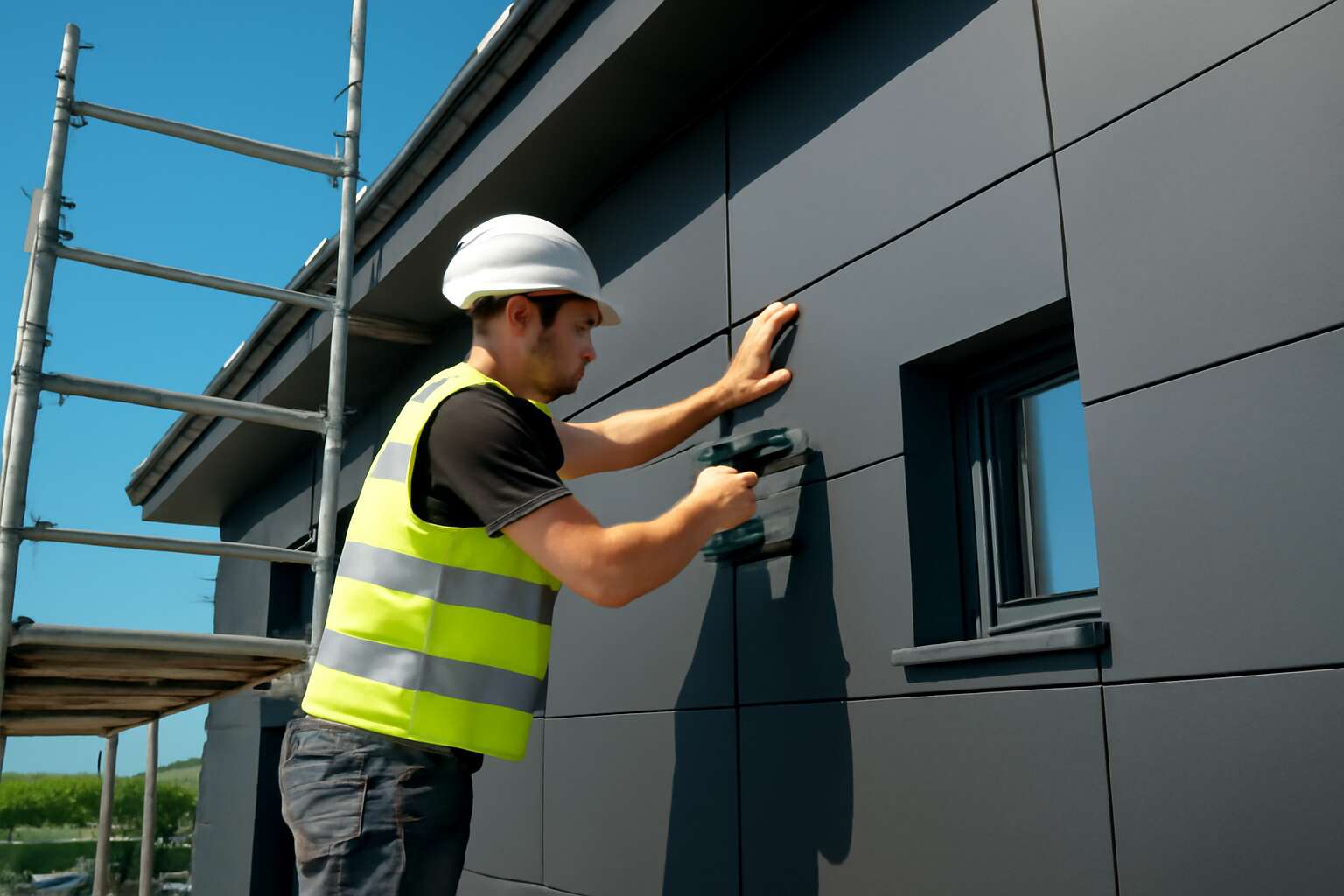
Understanding exterior wall cladding
What is exterior wall cladding and how it works
Cladding is more than a skin—it’s the weatherproof promise your home wears daily. “The exterior is the book cover of a building,” a seasoned SA architect says, and in our climate that cover must withstand sun, rain, and heat with quiet resilience. Understanding exterior wall cladding reveals why it matters beyond curb appeal.
Exterior wall cladding is a protective layer fixed to the structural wall, with a ventilated cavity to manage moisture and a durable finish that resists sun and storms. Substrate, insulation, a weather barrier, and fixings all work in concert. When carried out by wall cladding builders, the system marries aesthetics with long-term performance, not merely looks.
- Material options: brick, fibre cement, timber, metal
- Ventilated gap and moisture control
- Maintenance expectations for SA climate
This approach shapes longevity and value for homes across South Africa.
Benefits of wall cladding for durability and energy efficiency
Fronting a home with the right exterior cladding is more than aesthetics—it’s a shield you can trust. Industry data shows homes with performance-grade cladding consume up to 25% less energy in peak seasons, a quiet revolution for SA winters and summers. When the wind roars and the sun blazes, the right system keeps walls dry and interior comfort steady.
Wall cladding builders align substrates, insulation, and a ventilated cavity so moisture exits before it takes hold. The result is a durable, low-maintenance finish that resists sun, rain, and heat. With the ventilated gap, damp pockets dry quickly, reducing mould risk and maintenance needs, while a selection of materials—brick, fibre cement, timber, and metal—lets you tailor texture and performance.
- Durability against climate stress
- Improved energy efficiency
- Moisture management
- Long-term value
With the right wall cladding builders, it ages gracefully under SA skies.
Key materials and their performance characteristics
A well-chosen cladding system can cut maintenance by a quarter, turning a house into a quiet fortress against SA sun and wind. Understanding exterior wall cladding key materials and their performance characteristics reveals why some façades endure while others fade. I watch as wall cladding builders translate science into shelter with every installation!
Key materials offer distinct strengths:
- Brick: timeless durability, high thermal mass, minimal maintenance
- Fibre cement: weatherproof, rot- and fire-resistant, versatile finishes
- Timber: warm, tactile aesthetic; needs coatings for SA climate
- Metal: lightweight, strong, low maintenance; consider protective finishes to resist corrosion
In our climate, texture and performance walk hand in hand, guiding choices toward longevity and value.
Regulations, warranties, and environmental considerations
“Regulations aren’t red tape—they’re protection for your investment.” In SA, wall cladding builders navigate building codes, warranties, and environmental standards before the first panel is set. A smart cladding choice protects against sun, wind, and costly recalls—and that starts with compliant planning.
Outside of aesthetics, warranties and environmental impact guide every decision. Cladding professionals look for robust manufacturer guarantees, defined service life, and clear maintenance terms. They also weigh environmental considerations, from VOC levels to recyclable materials and embodied energy.
- Regulatory compliance (local council approvals and SANS standards)
- Warranty scope and duration
- Environmental credentials and recyclability
Environmental factors are not afterthoughts; they drive value. Long-term choices reduce maintenance costs and lower embodied energy.
Popular cladding materials and how they compare
Brick veneer and stone veneer options
Walls that speak before you do. “The skin of a building should tell the truth,” a veteran architect once told me, and in South Africa that truth is written in light and shade. Our climate demands cladding that endures, yet still feels human.
Brick veneer and stone veneer offer distinct personalities for wall cladding builders to weigh. Brick veneer brings warmth and traditional curb appeal, often easier to install than full brick and forgiving of shifting frames. Stone veneer delivers texture and rugged resilience, elevating elegance in coastal or high-traffic zones.
- Brick veneer: classic warmth, lighter weight, moderate maintenance.
- Stone veneer: premium texture, superior durability, higher upfront cost.
- Bottom line: choice hinges on climate, structure, and the story you wish the wall to tell.
Whichever you choose, wall cladding builders help translate vision into a durable, beautiful shell.
Fiber cement, cementitious panels, and composites
Fiber cement, cementitious panels, and composites are redefining wall cladding builders in South Africa. Fiber cement blends durability with a tactile warmth, resisting harsh sun and humidity while staying calm under coastal winds. Cementitious panels drape walls quickly and evenly, offering finishes that read as polished yet approachable. Composites fuse flexibility with form, letting designers chase bold textures without ballooning weight—textures that seem to whisper from the wall!
- Fiber cement: sturdy, weather-resistant, moderate maintenance.
- Cementitious panels: fast installation, adaptable textures, strong moisture resistance.
- Composites: lightweight, design freedom, higher upfront cost.
Bottom line: for wall cladding builders, the choice hinges on climate, structure, and the story the wall wants to tell in South Africa’s varied landscapes.
Timber cladding versus alternatives: aesthetics and maintenance
From the ancient groves to modern façades, timber cladding captures light and memory alike. In South Africa, timber brings warmth that ages like a legend, weathering sun and wind with grace. For wall cladding builders, timber’s story is a starting legend—a tactile chorus beside stone and metal.
- Aesthetics: Timber delivers warmth, character, and a living grain that ages gracefully; alternatives offer sleek, uniform surfaces with a modern edge.
- Maintenance: Timber needs sealants and periodic re-staining to fend off weather and pests; other materials typically require less routine care.
- Cost and longevity: Timber can be cost-effective upfront but may incur higher long-term maintenance; durable composites and panels often carry higher upfront costs but longer intervals between upkeep.
Choosing the right path hinges on climate and the wall’s story; in coastal SA, timber exudes character, while hardier alternatives answer desert sun and inland winds.
Metal cladding options: aluminum, steel, and zinc
“Metal cladding is the fastest way to give a building swagger,” according to wall cladding builders with decades of SA experience. In South Africa, metal options—aluminium, steel, and zinc—deliver speed, durability, and striking aesthetics in one neat package.
Aluminium is light and corrosion resistant, ideal for coastal SA where salt air bites less. Steel brings brute strength and a wealth of coatings for harsh inland sun. Zinc patinas gracefully, needing minimal maintenance and offering a distinctive, evolving surface.
- Aluminium: lightweight, corrosion resistance, easy installation, good for limited structural support.
- Steel: high strength, versatile coatings (galvanized, powder-coated), best for long spans.
- Zinc: natural patina, self-healing properties, low maintenance, dramatic ageing.
Choosing among them hinges on climate, budget, and the wall’s story—perfect fodder for tailoring façades that endure South Africa’s bright sun and changing moods.
Hiring the right cladding contractor
Credentials, licenses, and insurance to verify
In rural South Africa, a sturdy exterior is more than protection—it’s a quiet testament to care. Choosing the right wall cladding builders matters, because credentials, licenses, and insurance aren’t optional but the foundation of trust. A simple verification can spare weeks of delays and harsh weather blows on a hillside home.
To verify, consider these essentials:
- Confirm licenses and registrations with local authorities
- Ask for up-to-date public liability and worker’s compensation insurance
- Review recent project portfolios and request solid references
- Require a written warranty and precise material specifications
- Check safety practices and site cleanliness on past jobs
With the right wall cladding builders, the home you share with family and neighbours stands resilient against wind and weather.
Essential questions to ask during the selection process
In rural South Africa, choosing the right wall cladding builders is a decision that shapes how a home ages under wind and rain. The walls are the quiet shield that keeps families safe and comfortable—skimp here and storms become louder than the TV. A seasoned foreman once said, “Walls aren’t decorations; they’re agreements with the weather.”
Ask the right questions during the selection to avoid delays and damp corners. Here are practical considerations that stay clear and straightforward:
- What warranties cover workmanship and installed materials, and how are claims handled?
- Can you share recent projects and client references to verify quality?
- Who will supervise the crew on site, and what safety and site-cleanliness practices are in place?
- What is the proposed timeline and payment structure, including how changes are handled?
How to compare quotes and project scope
Hiring the right cladding contractor isn’t simply about price; it’s a pact with the wind and rain that will age your home. In South Africa, where gusts and storms test every façade, the choice of wall cladding builders can determine decades of warmth or damp corners. “Walls aren’t decorations; they’re agreements with the weather.”
To compare quotes, demand clarity on project scope and materials, ask about installation methods, and probe warranties and aftercare. The lowest bid can hide gaps in prep, substrate treatment, or fastening systems. Take time to reconcile timeline, payment milestones, and how changes are handled. Ask your wall cladding builders for detailed, itemised quotes that spell out each task.
Key criteria in a quote:
- Detailed scope of work and materials
- Clear installation method and warranty terms
- Defined timeline and change-order process
Reviewing portfolios and references
Across South Africa’s wind-swept towns, a contractor’s portfolio reveals more than style—it signals endurance. When you hire wall cladding builders, you’re choosing a partner who understands the weather and translates it into a façade that lasts, decade after decade.
Review portfolios with both awe and a critical eye. Seek projects in climates like yours, note substrate preparation and detailing at corners, and verify consistency across multiple sites. Contact references and, if possible, tour completed installations to hear what clients cherished—and what surprised them.
- Is the work led by wall cladding builders compliant with SA regulations?
- Can they share recent project briefs and on-site photos?
- Were installation challenges resolved efficiently on site?
- Do they offer post-installation warranties and aftercare guidance?
Let the evidence guide your choice, knowing you’re selecting a steward of your home’s weathered future.
Project planning and execution
Design alignment with architecture and local style
In South Africa, the exterior speaks before the doorbell does. The right wall cladding builders turn weather into a design partner, not an adversary. A smart cladding choice can slash maintenance costs and boost curb appeal when salt and sun team up on you.
Design alignment with architecture and local style means harmonizing lines, scale, and material with the house’s bones and our heritage palettes. Whether you lean Cape vernacular, modern minimal, or a bold Johannesburg statement, the finish should echo nearby materials, neighborhood covenants, and climate realities.
Execution is where plans meet wind and traffic. From initial site survey to delivery of panels, coordination with trades, and quality checks, the choreography matters. When we are in step with local architects, you get a coherent facade that ages gracefully.
Weatherproofing, insulation, and ventilation integration
Facade decisions are weather forecasts dressed in plaster and paint. “The facade is a conversation with climate,” a veteran cladding professional reminds us. The real craft lies in listening—mapping wind routes, sun arcs, and street rhythms to turn weather into architecture that speaks softly, yet loudly present!
Project planning and execution hinge on precision. From a thorough site survey in South Africa to the delivery of panels, every link in the chain must harmonize with trades, schedules, and quality checks. wall cladding builders—our partners in craft—translate blueprints into a weather-ready skin that ages with grace.
Within this choreography, weatherproofing, insulation, and ventilation integration must knit together.
- Weatherproofing membranes and flashing that seal joints without stifling drainage
- Insulation strategies aligned with cladding thickness to maintain thermal performance
- Ventilation paths such as ventilated rainscreens and soffit gaps to balance moisture and airflow
Installation methods: battens, render, and fixings overview
Project planning sets the tempo for wall cladding builders, especially in South Africa’s shifting weather. A precise site survey, harmonised schedules, and quality checkpoints tune a blueprint into a weather-ready skin. When trades move in harmony, delivery windows tighten into reliable milestones and friction fades from the process.
Installation methods breathe life into the plan. Battens establish a ventilated cavity and true alignment; render brings a seamless, breathable layer over the substrate; fixings—stainless steel screws and washers—anchor the system against wind, corrosion, and movement. Each step demands compatible materials and clean joints, with sealants chosen for local conditions.
- Battens: spacing and drainage clearance
- Render: base coat, mesh, top coat compatibility
- Fixings: corrosion resistance, embedment depth
Site safety, waste management, and scheduling
Across South Africa, up to 40% of site delays trace to planning gaps. For wall cladding projects, meticulous project planning and execution set the tempo for the job. Our team of wall cladding builders starts with a precise site survey, harmonised schedules, and quality checkpoints to tune a blueprint into a weather-ready skin.
Site safety, waste management, and scheduling are non-negotiables on every site. Inductions, PPE, and safe access keep crews productive; on-site waste is sorted and diverted, reducing dumps; and a live schedule anchors deliveries to climate, so weather windows aren’t missed. The approach keeps friction out of the process.
- Site safety plan and worker inductions
- On-site waste sorting and disposal management
- Integrated scheduling with trade coordination and weather windows
With this discipline, the project flows toward reliable milestones that stand the test of South Africa’s changing conditions, delivering durable, breathable wall skins from installers.
Costs, maintenance, and lifecycle considerations
Estimating costs: materials, labour, and hidden fees
<p Across South Africa, a solid exterior makes a home feel safe and lasting. The price tag from wall cladding builders often looks straightforward, but true costs hide in the fine print: materials, labour, and hidden fees that surface after the first quote. Totals can drift 15–20% once site conditions and access are considered.
<p To estimate costs clearly, think in three families: materials, labour, and hidden fees.
- Materials: cladding type, fixings, and coatings; premium options lift upfront costs but pay back in longevity.
- Labour: scaffold setup, site prep, weather delays, and skilled installation by wall cladding builders; regional rates apply.
- Hidden fees: delivery surcharges, waste removal, permits, and contingency allowances for substrate repairs.
Over the lifecycle, maintenance is the quiet partner of durability. The right cladding withstands sun and rain, and a strong warranty can keep a home looking true for years.
Maintenance tips to extend lifespan of cladding
“A good facade is a long-term asset,” says wall cladding builders, and they’re not kidding—maintenance and lifecycle choices shape value as much as the initial install. Costs aren’t just the upfront quote; they include coatings, weatherproofing, and occasional refreshes that keep performance intact.
When weighing options, think beyond the sticker price. Durable finishes and proper detailing reduce long-term expenditure; you’ll benefit from fewer repairs and less early repainting. Lifecycle considerations include moisture control, insulation compatibility, and the realities of SA coastal or dusty environments.
Careful planning now helps mean fewer interruptions later—regular inspections, compatible sealants, and robust drainage play their part in a wall cladding system’s lifecycle, keeping the facade resilient against weather and wear.
Warranty coverage and aftercare services
Costs for cladding extend beyond the initial quote, and wall cladding builders know longevity is a stealth investment. Durable finishes, weatherproof detailing, and periodic refreshes cut long-term outlays by reducing repairs and early repaint needs. In SA’s coastal or dusty environments, moisture control and insulation compatibility quietly decide how long a façade remains resilient.
A focused warranty and aftercare framework matters; consider these:
- Warranty scope: duration, inclusions, and exclusions
- Aftercare services: scheduled inspections and sealant refresh plans
- Service reliability: response times, spare parts availability, and on-site support
Choosing wall cladding builders who offer clear warranty coverage and proactive aftercare ensures continuity of performance. Regular inspections, timely sealant refreshes, and coordinated weatherproofing become routine allies in protecting your investment.
Repair, replacement, and sustainability considerations
Costs for wall cladding aren’t a one-off hit; they’re a lifecycle promise. A smart budget accounts for sealant refreshes, repairs, and occasional panel replacements. In South Africa’s coastal and dusty inland zones, maintenance quietly decides the façade’s lifespan. Choose wall cladding builders who price the full journey, not just the quote.
Maintenance schedules are the façade’s fitness regime. After storms or dusty months, inspect joints, reseal cracks, and manage moisture ingress. Regular care preserves energy performance and wedges long repaint costs. A simple rhythm—clean, inspect, reseal—keeps your investment resilient.
- Scheduled inspections and sealant refresh timelines
- Spare parts availability and on-site support
- Moisture control and drainage checks
Repair versus replacement decisions balance cost, aesthetics, and sustainability. Favor modular patches when feasible and prioritize recyclable materials. A repair-friendly design minimizes waste and keeps the wall cladding builders’ reputation pristine.
0 Comments