
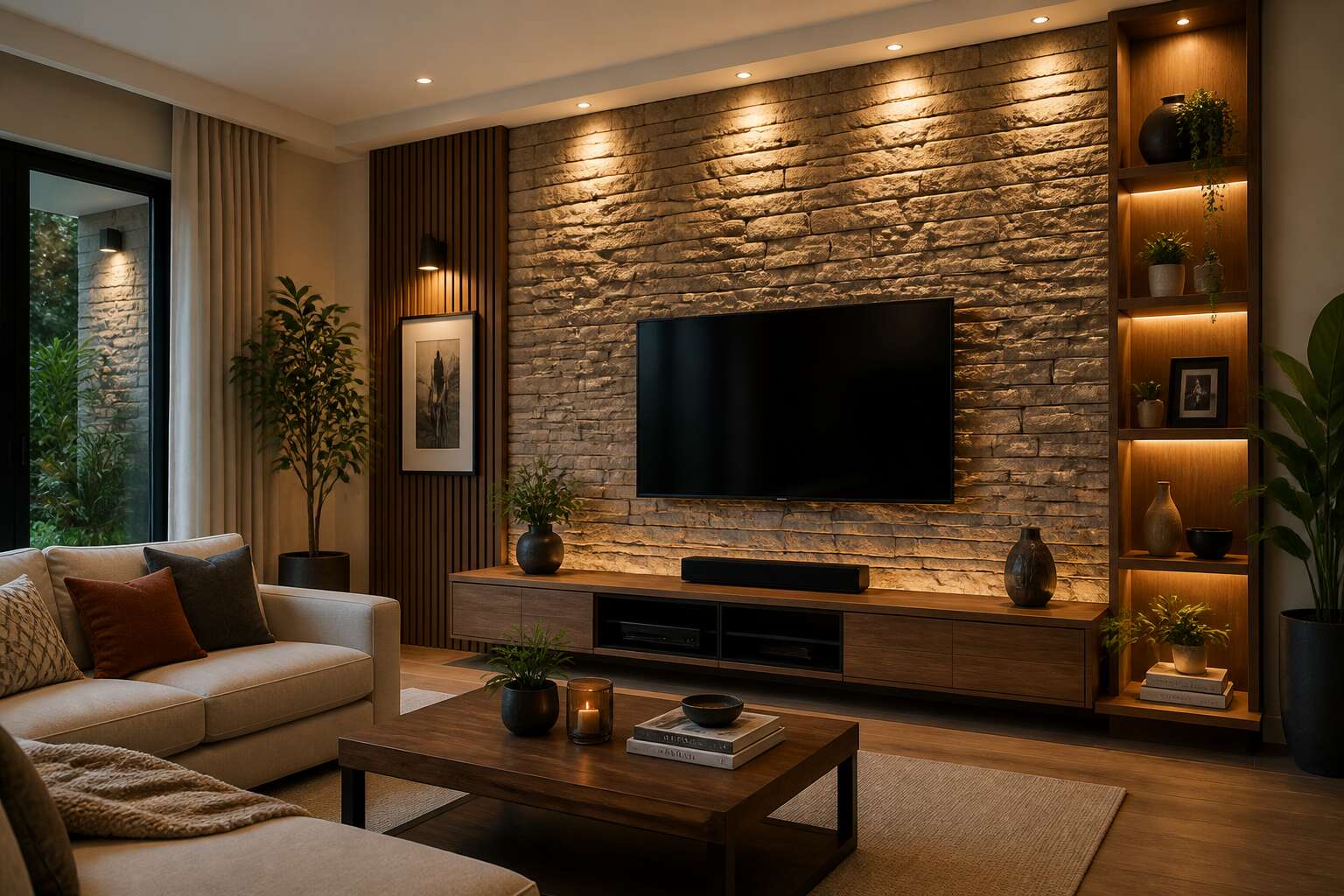
Why Choosing a Local Wall Cladding Provider Matters
The Benefits of Hiring Nearby Suppliers and Installers
When you search for wall cladding near me, you are not just looking for a product. You are seeking a partner who understands local weather patterns, building codes, and architectural tastes. A nearby supplier can visit your site within days, not weeks, and their installers know the region’s soil and moisture quirks. This proximity translates to tangible savings.
Consider the practical advantages:
- On-site consultations that happen quickly
- Custom cutting at a local workshop
- Direct communication with the installation crew
- Faster replacement of damaged panels
Hiring a nearby provider also supports your community’s economy. The money stays in your province, and the personal connections often lead to better craftsmanship. I have seen installers return to fix minor scratches without charge, simply because you are a neighbour. That is something a distant online retailer cannot offer.
How Local Expertise Impacts Material Selection
When you search for wall cladding near me in South Africa, the first question is not about colour. It is about what will survive your specific stretch of coastline or Highveld. A local provider brings that knowledge into the material selection process before a single panel is ordered.
They understand the salt-laden air of Durban versus the dry heat of the Karoo. They know which cladding resists the Cape’s relentless winter rain. I have watched houses on the Bluff fail with one material and thrive with another.
- Timber species that withstand borer beetles in KwaZulu-Natal
- PVC systems that won’t warp under Gauteng’s intense UV
- Stone veneers suited to Free State temperature swings
Your provider visits your site, checks orientation and moisture. That knowledge ensures your wall cladding near me purchase is right for the first time.
Finding Wall Cladding Specialists Through Community Referrals
There is a special kind of truth that only comes from a man who has watched his own cladding peel after a contractor guaranteed it for ten years. Online reviews can be bought. A neighbour’s grudge cannot.
Finding wall cladding specialists through community referrals starts with the simple act of asking. When you search for wall cladding near me, the real intelligence is not in the search results. It is in the stories you hear at the local hardware store or the petrol station queue.
- Ask how long the installation actually took.
- Ask whether the supplier returned after the first rain.
- Ask if the final bill matched the quote.
Choosing a provider for wall cladding near me matters because their business depends on faces they see daily. They cannot hide behind a call centre. Their mistakes will sit on a roof or a facade, visible to every passerby. That is a powerful motivator.
Sourcing Sustainable Cladding Options From Regional Sources
Searching for “wall cladding near me” often conjures images of showrooms and sample boards, but the true measure of a provider unfolds in the quiet authority of their regional knowledge. In South Africa, the weather does not whisper; it roars. A supplier who understands the salt-laden air of the Cape Peninsula versus the arid heat of the Karoo will specify materials that endure, not merely decorate. Local providers face the same sun, the same storms, and their counsel is shaped by that shared experience.
Sourcing sustainable cladding options from regional sources reduces the carbon footprint etched into every transported pallet. Why ship timber or composite across the ocean when the highlands offer durable options? The local mill or manufacturer operates with a smaller environmental ledger, and their products speak the language of the landscape. The supply chain is shorter, the accountability is sharper.
When considering your options, reflect on the provenance of the material.
– Check for certifications like the Forest Stewardship Council for wood products.
– Ask about the factory’s waste management or recycling processes.
– Enquire about the material’s thermal performance relative to your specific province.
A regional provider is not a compromise; it is a curation of the environment. They understand the chemical composition of the soil that might splash onto the facade, and the UV index that will beat down for decades. This intimate familiarity leads to a facade that is resilient. The cladding becomes a biographical note of the region, a decision of stewardship. When you ask for “wall cladding near me,” you are not just asking for a product, you are asking for a partner in the climate. And that wisdom, rooted in a specific soil horizon, is the most sustainable choice you can make, ensuring your building stands quietly against the elements for a lifetime.
Exploring Popular Wall Cladding Materials Available in Your Region
Wood and Timber Cladding: A Classic Choice With Local Flair
Wood and timber cladding brings a particular warmth to any facade. South Africans searching for wall cladding near me often discover that local timber species offer both character and resilience. Saligna and meranti grow in regional plantations, giving you grains that reflect this landscape.
Coastal humidity tests every material. Softwoods struggle, while hardwoods like meranti stand firm. A well maintained timber wall breathes naturally, regulating moisture in ways synthetic panels cannot.
Here is a quick comparison of common choices:
- Saligna: strong, affordable, takes paint well
- Meranti: rot resistant, deep color, premium look
- Pine: economical, needs protective staining
Vinyl Cladding: Affordable and Low-Maintenance Options
Vinyl cladding rarely appears in glossy architecture magazines, yet it covers countless South African homes for one reason: it asks for almost nothing in return. When you search for wall cladding near me, vinyl often arrives as the practical suggestion that protects a renovation budget.
The material resists coastal salt and Highveld UV rays without blistering or peeling. A simple rinse with a garden hose restores its original tone. Installation moves quickly, and the panels hide their fixings, which keeps the facade clean.
- No painting cycles every few years
- Lightweight panels that reduce structural load
- Consistent colour that does not fade unevenly
Homeowners who compare finishes find vinyl sits comfortably between raw timber and heavy masonry when they conduct their search for wall cladding near me.
Stone and Brick Veneer for Timeless Durability
Stone and brick veneer bring a permanence that other cladding materials cannot match. These options dominate facades across South Africa, whether for Cape Dutch revivals or urban industrial builds. They resist fire, impact, and persistent UV without flinching.
Veneer does not carry structural load. It mimics full masonry for a fraction of the cost. Installation requires experienced hands, which places this finish at the premium end of the market.
- Higher fire rating than timber
- Decades without repainting
- Steady thermal performance
Homes near the coast or on the Highveld benefit most from this low maintenance category. Your wall cladding near me search will surface several suppliers. Compare their quality, especially the thickness of the veneer and the mortar mix.
Composite and Engineered Wood Cladding for Modern Homes
Composite cladding offers a quieter kind of permanence. Engineered wood, pressed and bound under heat, holds its form against the Highveld’s merciless sun and the salt wind that gnaws at coastal facades. It mimics timber’s warmth without timber’s appetite for constant care. These panels do not rot, do not splinter, and rarely warp, though cheap grades betray themselves within a season or two.
Modern South African homes increasingly turn to this material for its strange alchemy: lightweight boards with the gravitas of solid construction. Fire retardant and termite resistant, it suits both sharp minimalist lines and shadowed verandas.
A few variants worth knowing:
– Fibre cement boards with a wood grain surface
– High-pressure laminates with waterproof cores
– Polymer composite planks that ignore moisture entirely
Your wall cladding near me search should ask about UV stabilisers and edge sealing. Those details decide whether your facade weathers with dignity or crumbles in silence.
Metal Cladding: Contemporary Aesthetics and Strength
Metal cladding brings a different kind of certainty to a facade. It arrives in panels of aluminium, steel, zinc, and sometimes copper, and it holds a mirror to the sky. The Highveld light sharpens its edges, the coastal air leaves a patina that speaks of time and tide. There is a quiet authority in standing seams that run from eave to foundation, a line unbroken by the weather. For a home that wants to look permanent without looking heavy, metal offers a taut, disciplined skin.
The material’s strength is not imagined. It shrugs off UV exposure, resists moisture ingress, and does not feed the insects that hollow out softer claddings. Fire behaviour is excellent, which matters in regions where seasonal winds turn the grass to tinder. A good system will last decades with little more than an occasional wash. The finish, whether a matte polyester or a PVDF coating, determines the lifespan more than the substrate itself.
Several profiles merit attention when exploring options for wall cladding near me:
– Corrugated and ribbed sheets for a rugged, farmstead-inspired silhouette
– Flat lock panels for a seamless, industrial finish
– Shiplap profiles for a softer, horizontal rhythm
– Composite aluminium panels with hidden fixings for a tech-forward look
What surprises most people is the warmth. A clear anodised finish catches the late afternoon sun and glows like a brass instrument. Dark bronze panels absorb heat and recede into the landscape, letting the roof and glazing do the talking. The texture can be crisp or brushed, and the choice changes the entire mood of the street elevation.
Installation accuracy matters more with metal than with any other cladding material. Thermal movement is real, and a panel fixed too tightly will buckle when the mercury climbs. Expansion joints are not optional, they are the difference between a facade that sings and one that creaks. Local suppliers who know the site conditions can advise on the gauge, the fixing centres, and the expansion gap specifications. Their experience with regional sun angles and prevailing winds turns a stylish skin into a dependable one.
Panel thickness, base metal quality, and the integrity of the edge coating decide the project’s fate. A cheap steel sheet will oxidise at the cut edge within a year. A properly engineered panel, with a sacrificial zinc layer or a full PVDF seal, will stand in the weather for decades. The question of colour stability and warranty support should guide the conversation. Metal cladding near me searches that end with a local fabricator, rather than an imported off-the-shelf box, tend to produce facades with real character.
The result is architectural confidence. A home clad in steel or zinc does not whisper, it states. The surface reflects the changing conditions of the day, from the pale silver of a southeaster morning to the bronze of a dust-red dusk. It rewards bold composition and generous spans. And when the light catches that long, unbroken seam, you remember why metal has always belonged in the South African landscape.
Selecting the Right Cladding Contractor in Your Area
Questions to Ask Before Hiring a Wall Cladding Professional
Choosing your wall cladding near me contractor demands thorough vetting. I learned this after a timber installation warped within a year. Ask about their experience with your specific material and request recent local references. Verify their registration with the National Home Builders Registration Council if your cladding is structural. Confirm they carry public liability insurance and will provide a written warranty.
Before you sign, ask these questions without embarrassment:
- How many projects have you finished in this neighbourhood?
- Can I see your site cleanup plan?
- Who handles defects discovered after completion?
- What is your process for damp proofing?
A confident contractor answers each one with clarity. The best installers understand that your home’s exterior deserves scrutiny.
Verifying Licenses, Insurance, and Certifications
Hiring a contractor for your exterior renovation is a decision that hinges on details you cannot see from the pavement. A stunning portfolio can hide a million liability nightmares. Before you commit to the first name that pops up for wall cladding near me, you need to confirm their credentials are as solid as their promises. The paperwork is the boring part, but it is the only thing protecting your investment when the sun fades and the warranty gets tested.
Verifying their status is a simple process, but it requires you to be a bit of a detective. Ask for their proof of registration and their certificate of insurance, and do not accept a shrug in response. You are checking for three key documents:
- A valid tax clearance certificate, which shows they operate above board.
- Public liability insurance to cover any accidents on your property.
- A written warranty that explicitly outlines the workmanship coverage period.
A professional will hand these over without a fuss. They know that your search for wall cladding near me should end with a contractor who has nothing to hide. If they hesitate or claim the documents are with their accountant, treat that as a red flag. You are not being difficult, you are being prudent. The time to discover a missing certification is before the first panel is lifted, not after a storm exposes a structural flaw.
Comparing Quotes and Evaluating Project Timelines
A price tag is only the beginning, not the full story. When you search for wall cladding near me and gather quotes, you are comparing more than numbers. You are comparing scopes of work, material grades, and the contractor’s understanding of local conditions. A low estimate might exclude essential waterproofing, while a higher one might include premium fasteners and a thorough site cleanup.
The project timeline is equally critical. A contractor who promises a two-week turnaround in the middle of the Highveld storm season is either overly optimistic or planning to cut corners. A realistic schedule accounts for curing times, weather delays, and the delivery of materials from regional suppliers. Before you sign, ask for a written breakdown of the phased work.
– The sequence of demolition, if any, and disposal of old material.
– The expected duration for each cladding installation stage.
– Contingency time built in for unexpected structural findings.
– A clear start date and a completion date that both parties agree upon.
This level of detail protects your daily life. A clear schedule means you can plan around the noise and the scaffolding. It gives you peace of mind, knowing that the contractor respects your property and your time. This transparency is the true measure of professionalism, and it should guide your final decision.
Budgeting and Cost Considerations for Wall Cladding Projects
Understanding Material Price Ranges for Different Cladding Types
A staggering 68% of renovation projects exceed their initial budget, often because the material costs are misunderstood. When you search for “wall cladding near me,” you are not just looking for a contractor; you are starting a financial investigation into the longevity and aesthetic value of your property. The price per square meter is the anchor of your entire project, and it swings wildly depending on the substrate and finish you choose.
For instance, raw timber and composite boards sit at different ends of the spectrum. While the upfront cost of hardwood is high, the maintenance over a decade can eclipse the initial saving of cheaper vinyl options. A quick price comparison reveals the reality:
– Vinyl cladding offers the lowest entry point, but it often lacks the thermal mass of thicker materials.
– Composite wood sits in the mid-range and demands little upkeep, making it a balanced choice for many homeowners.
– Natural stone and brick veneer are premium investments, yet they increase resale value significantly.
This disparity creates a critical decision point. The local climate and the specific orientation of your home dictate which material offers the best return on investment. A cheaper product installed on a wall that faces the harsh South African sun may fade or warp, forcing a replacement. The true cost of “wall cladding near me” is not the quote you receive today, but the total expense over the building’s lifetime, including installation complexity and regional availability of the material.
Labor Costs: What to Expect From Local Professionals
Searching for wall cladding near me focuses attention on materials, but labor can consume 30% to 50% of your budget. Local professionals in South Africa charge per square meter, with rates that reflect experience, travel distance, and home geometry. When you compare wall cladding near me, remember that a double-storey facade requires scaffolding, adding time and expense.
Here is what shapes the final figure:
- The condition of existing walls, which may need repairs before installation.
- The type of cladding, as heavier stone or brick veneer demands more hands.
- The season, since skilled tradespeople are scarce during peak building periods.
I have seen quotes vary by 20% among reputable teams. Asking for a detailed breakdown instead of a lump sum protects you from surprises. Always confirm whether the quote includes waste removal and safety equipment, as these are often hidden extras. That conversation can save you thousands!
Hidden Expenses: Removal, Underlayment, and Finishing Touches
The initial quote for your project rarely reflects the true financial weight of the process. When you search for wall cladding near me, the quoted price per square meter is often a skeletal figure. The flesh of the budget, the tendons that connect the plan to reality, lies in the preparatory and finishing stages that are frequently excluded from the glossy brochure price. Old cladding must come down, and that labor is a physical toll that costs money, not a mere line item.
The substrate beneath your new facade is the silent dictator of the budget. If the existing wall is uneven, the underlayment or battens required to create a flat surface can add significant cost. A damp or crumbling wall demands remediation before any aesthetic layer is applied. Ignoring this is not a saving; it is a deferred payment with interest. For a homeowner comparing wall cladding near me, these hidden expenses often dictate whether a project is feasible or a financial strain.
The finishing touches complete the picture, but they also complete the invoice. Trim, corner pieces, and specialized sealants ensure the cladding performs its primary function without failure. These are not vanity items, but the protective edges of your investment.
Consider the extras that frequently appear on the final bill:
– Removal and disposal of existing materials
– Replacement of damaged substrate boards
– Additional adhesive or mechanical fixings for challenging spans
– Sealant application and joint finishing for weatherproofing
These elements transform a simple quote into a realistic budget. Without them, the project remains a ghost, an idea that never quite materializes into a home. A thorough quote that accounts for these variables will cost a little more on paper, but it offers a path forward without hidden detours. The price of serenity is an itemized budget.
Estimating the Return on Investment for High-Quality Cladding
Every rand spent on cladding should be weighed against the years it will serve. When homeowners search for wall cladding near me, the temptation is to select the cheapest option upfront. Quality cladding offers measurable benefits over time. A well-installed facade can reduce heating and cooling costs through better insulation and lift the resale value of the property.
Budgeting requires looking beyond the initial quote to the lifecycle of the materials. When estimating the return on investment for high-quality cladding, consider:
- The expected lifespan of the material in South African weather conditions
- Maintenance requirements, from cleaning to resealing
- Energy savings from improved thermal performance
- The potential increase in property value
These factors turn a renovation into a sound financial decision. The money spent on durable cladding contributes to the home’s long-term worth. For those comparing wall cladding near me, that long-term perspective makes all the difference.
Financing Options and Seasonal Discounts From Local Businesses
Cash remains king, but that does not mean you must part with all of it at once. The cost of cladding a home in South Africa often gives homeowners sticker shock. A simple calculation based only on the square metre rate will leave you short. You need to account for the entire scope of the project, from the substrate preparation to the final trim. This is where the initial quote for wall cladding near me often fails to tell the whole story. Payment terms can be structured, but you need to ask about them early in the process.
Local suppliers understand the strain of large projects. Many offer financing options that spread the cost over several months. These plans are not always advertised, so you must request a breakdown of the interest or service fees involved. A cheaper quote with a high finance charge will cost you more in the long run. Compare the total repayment amount, not just the monthly instalment.
The timing of your project also influences the final bill. Winter months often see a dip in construction activity in many regions of the country.
– This slowdown creates room for negotiation.
– Some local businesses offer seasonal discounts to keep their crews busy.
– Bulk material purchases might trigger a loyalty discount.
Ask directly about off-peak pricing when you contact wall cladding near me. You might be surprised at the flexibility available to secure work during these quieter periods. A discount on the labour component is common, but you should also ask about the price of specific materials if you purchase them in the same transaction. This approach requires you to be flexible with your schedule, but the savings are tangible.
How Your Home’s Size and Layout Influence the Overall Price
Your home’s footprint is only the beginning. The true cost of cladding emerges from its silhouette: the gables, the bay windows, the corners where walls meet at odd angles. Two houses with identical floor areas can produce different quotes for wall cladding near me because one has a simple rectangular shape and the other has many integrated features.
The layout dictates the waste. Every cut around a window or door produces offcuts. Complex rooflines demand more scaffold hire and labour. A double storey elevation increases time on site, while a single level facade allows faster progress. The estimator for wall cladding near me reads the geometry, and each contour adds a line item.
The shape of the building changes the calculation:
- Long, straight runs cost less per metre than segmented sections.
- Each corner requires extra trim pieces and skilled fitting.
- Higher walls need more support equipment and safety measures.
Maintaining and Protecting Your Wall Cladding for Longevity
Routine Cleaning Techniques for Different Cladding Materials
Your wall cladding near me endures sun, rain, and wind. Routine cleaning preserves its appearance. Wood needs a soft brush with mild detergent. Vinyl responds well to a garden hose. Metal panels show streaks, so use a microfiber cloth. Stone veneer appreciates a low-pressure wash.
For quick reference:
- Timber: avoid harsh chemicals
- Composite: wipe with warm soapy water
- Brick: rinse and scrub gently
Joint and seal inspections catch cracks early. That stops moisture from creeping behind the cladding. Regular attention prevents costly repairs. A few minutes of care each month keeps the facade solid for decades!
Spotting Early Signs of Damage or Moisture Intrusion
Maintaining and Protecting Your Wall Cladding for Longevity
The South African climate, from coastal salt spray to highveld UV intensity, relentlessly tests exterior materials. A facade that looks pristine after installation begins a slow transformation the moment it faces the elements. Proactive vigilance is the only countermeasure against premature deterioration, and it starts with understanding how moisture behaves within your specific wall system.
Regular inspection, scheduled like a seasonal ritual, reveals the narrative of your home’s exterior. When searching for wall cladding near me, homeowners who study their own surfaces develop an eye for subtle shifts. Discolouration that appears as a faint watermark, efflorescence forming a chalky residue on brick, or a slight buckling in timber boards all signal water intrusion. These indicators rarely announce themselves dramatically; they whisper through gradual change.
Prophylactic assessment focuses on vulnerable junctions where materials meet. Window reveals, rooflines, and pipe penetrations demand particular attention because they create natural collection points for moisture. An annual examination of these transition zones takes minutes but provides invaluable insight. The cost of replacement far exceeds the investment in routine awareness, which explains why experienced installers emphasise education alongside craftsmanship.
Here is what a thorough inspection should document:
– Cracks wider than a hairline in render or sealant joints
– Soft spots when gently pressing on timber cladding
– Rust streaking from metal fasteners or flashing
– Warping or lifting where boards join
Behind the visible surface lies the greater risk. Water that penetrates the cladding layer travels silently along membranes and battens, compromising insulation and framing. By the time interior walls show staining, the damage has established itself. For homeowners mindful of their investment, knowing the original installation details matters. Different substrates require different intervention timing. A cement board system tolerates moisture differently than oriented strand board sheathing.
The practical takeaway involves consistency rather than intensity. A brief monthly walk around the perimeter, combined with a deliberate seasonal inspection, creates a maintenance rhythm that protects structural integrity. Local professionals understand the specific weather patterns affecting your region. When you search for wall cladding near me, ask about local moisture risks and recommended sealants. The answer reveals how thoroughly they understand regional challenges. Spot checks remain the most cost-effective protection strategy available, outpacing any advanced material in preserving the health of your walls.
When to Call a Local Professional for Repairs
The previous routine inspections offer a clear snapshot, but there comes a moment when vigilance must transform into action. This is the threshold where a homeowner’s observational skills reach their limit and professional intervention becomes non-negotiable. Distinguishing between a cosmetic flaw and a structural compromise is not always straightforward, yet the distinction carries significant financial weight.
When moisture has migrated beyond the surface layers, the visual cues become more pronounced. A persistent damp smell near the cladding, even after dry weather, suggests a problem that has advanced past the point of simple maintenance. Similarly, if you notice that timber boards have begun to cup or that sealant joints are pulling away from the frame, these are failures of the system itself, not merely aesthetic blemishes. Ignoring these indicators invites a cascade of more expensive repairs.
The decision to call a professional should be guided by the nature of the defect. There are issues that demand a trained eye and specialised equipment to diagnose correctly.
– Water pooling in unexpected areas after rainfall, indicating a flashing failure.
– Boards that have become soft or spongy to the touch, suggesting core rot.
– Visible gaps between cladding panels that expose the underlayment to the elements.
– A sudden increase in pest activity around the facade, hinting at hidden decay.
These signs point to failures that are beyond the scope of a weekend DIY project. Attempting to address structural moisture damage without the right tools often masks the root cause, allowing the issue to fester behind a fresh coat of paint or a patched sealant bead.
A local professional brings a distinct advantage in this scenario. They understand the specific weather patterns that batter your region, and they have likely encountered the exact failure mode you are experiencing. When I search for wall cladding near me, I look for a contractor who can trace a water trail back to its origin, not just fill a void. Their diagnostic process involves probing, testing, and sometimes removing sections of cladding to assess the condition of the framing beneath. This level of scrutiny is what prevents a recurrence. The cost of their time is negligible compared to the expense of replacing an entire wall section that has been silently rotting from the inside out. Trust their assessment; it is grounded in materials science and practical experience with local building stock.
Weatherproofing and Sealing Tips for Your Climate
South Africa’s sun and salt air put your cladding through a relentless cycle! Protecting that investment means staying ahead of the seasons. I have learned that a weatherproofing routine must match your specific region, from the highveld’s hail to the coast’s humidity.
Start with the sealant joints. They are the primary safeguard. Inspect them every six months, and reapply a flexible, UV resistant sealant before cracks appear. For timber boards, apply a breathable oil that allows moisture to escape. For composite panels, a simple cleaning followed by a protective coating works wonders.
- Clear any debris from weep vents so drainage stays clear.
- Verify that caulking around windows and doors remains intact.
- Refinish bare spots on stained or painted surfaces promptly.
When I search for wall cladding near me, I prioritise contractors who recommend climate specific products. A Cape winter demands different treatment than a Karoo summer. Check the flashing and drip edges regularly. If water sits on a horizontal surface, it will find a way in.
0 Comments