
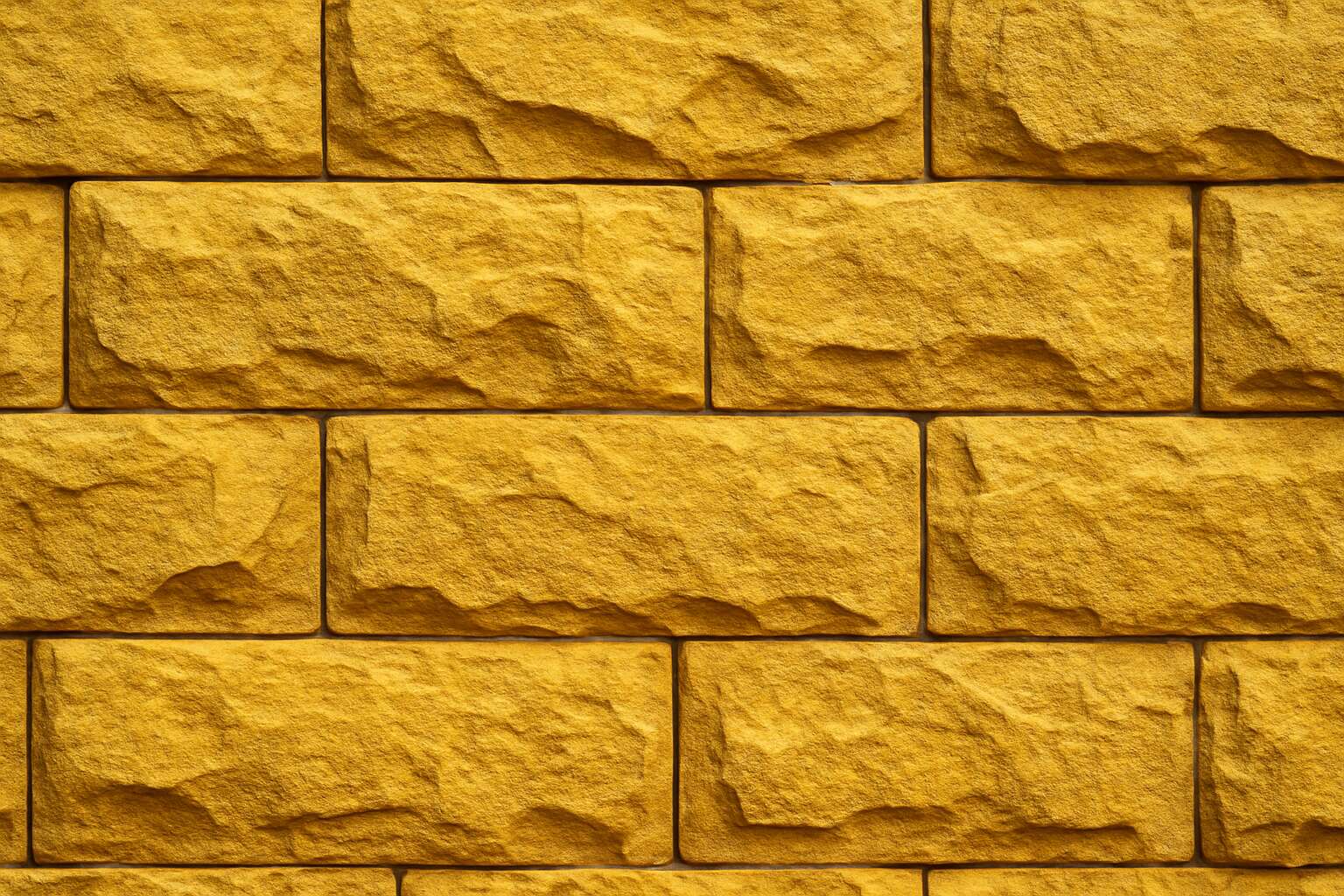
Understanding Yellow Stone Cladding
Definition of Stone Cladding – Explaining what stone cladding is and its main purposes
Stone cladding has become an essential element in modern architecture, transforming ordinary facades into striking visual statements. When it comes to yellow stone cladding texture, it’s all about capturing the warmth and organic charm that natural stone brings to a building’s exterior. Unlike synthetic alternatives, genuine stone cladding offers durability and a timeless aesthetic that withstands South Africa’s diverse climate conditions.
At its core, stone cladding is a thin layer of natural or manufactured stone fixed onto a structural wall. Its primary purpose is to enhance architectural appeal, provide insulation, and protect the underlying surface from weather-related wear and tear. The unique yellow stone cladding texture adds a distinctive character, blending rustic appeal with contemporary elegance. This textured surface creates depth and visual interest, making it an ideal choice for both residential and commercial projects.
For those seeking an authentic look, the yellow stone cladding texture offers a rich palette of shades, from warm amber to golden hues, that can be tailored to suit diverse design themes. It’s no wonder that architects and homeowners across South Africa are increasingly drawn to this natural finish—what better way to infuse personality into a building than with a stone surface that tells a story of earth’s raw beauty?
Overview of Yellow Stone Material – Characteristics and natural appearance of yellow stone
Yellow stone cladding texture captures the essence of natural warmth. The material’s distinctive hue ranges from soft amber to vibrant gold, adding instant character to any building façade. South Africa’s climate demands durability, and genuine yellow stone offers just that — a resilient choice that ages gracefully. Its natural appearance is rich with subtle variations, giving each installation a unique, organic charm.
This textured surface enhances visual depth, creating a dynamic interplay of light and shadow. The rough, tactile finish of yellow stone cladding adds rustic appeal, yet it complements modern designs seamlessly. For architects and homeowners eager to infuse personality into their spaces, the authentic yellow stone cladding texture brings earth’s raw beauty to life.
- Durability to withstand South Africa’s diverse climate.
- Rich palette of shades that suit various design themes.
- Unique, organic appearance that ages well over time.
Advantages of Using Yellow Stone Cladding – Benefits including aesthetic appeal, durability, and insulation
In a landscape saturated with predictable facades, yellow stone cladding texture emerges as an evocative testament to nature’s unpredictable artistry. Its allure lies not only in the visual warmth it imparts but also in the profound sense of stability and resilience it embodies. For those who seek to marry aesthetic charm with enduring practicality, this textured surface offers a compelling solution, especially within South Africa’s diverse climate zones.
The benefits of using yellow stone cladding extend beyond its captivating appearance. Its natural insulation properties—thanks to the dense composition of the material—help regulate indoor temperatures, reducing reliance on artificial climate control. This subtle thermal barrier, combined with its remarkable durability, ensures that facades remain intact and visually striking over decades. The textured surface, with its organic variations and tactile roughness, enhances architectural depth and creates mesmerizing shadow play that shifts with the sun’s passage. Truly, yellow stone cladding texture does more than beautify; it sustains both form and function in a single, harmonious package.
Popular Textures of Yellow Stone Cladding
Natural Finish – Features and visual appeal of rough, unpolished stone surfaces
In the realm of architectural artistry, few textures evoke the raw, unbridled spirit of nature quite like the yellow stone cladding texture. Its rough, unpolished surfaces whisper tales of ancient landscapes, each uneven surface capturing the essence of timeless resilience. This natural finish offers an organic charm, transforming any façade into a canvas of rugged elegance and subtle imperfection.
The visual appeal of the yellow stone cladding texture lies in its earthy hues and tactile richness. Its coarse surface plays with light and shadow, creating dynamic visual rhythms that change with the sun’s journey across the sky. This textured surface not only enhances aesthetic allure but also adds depth and character to architectural compositions, making structures stand out with a distinctive, enduring presence.
- Authentic, organic appearance
- Enhanced visual depth and character
- Unique play of light and shadow
- Durability and natural weathering
Honed Texture – Smooth, matte finish offering a refined look
In the world of architectural finesse, the honed texture of yellow stone cladding offers a refined elegance that captures both the eye and the imagination. Its smooth, matte finish exudes an understated sophistication, transforming facades into sleek, modern canvases while maintaining a whisper of natural charm. This yellow stone cladding texture is perfect for those who seek a subtle yet impactful statement—where simplicity meets craftsmanship in perfect harmony.
What truly sets honed yellow stone apart is its versatile aesthetic. The surface’s silky smoothness creates an understated glow, reflecting light softly and evenly across the façade. This controlled finish enhances the natural hues of yellow stone, bringing out warm, earthy tones that complement any architectural style. Its tactile quality invites touch, making every surface an interaction between art and nature.
- Refined appearance with a smooth, matte finish
- Enhanced visual uniformity and sophistication
- Durable surface that withstands weathering in South Africa’s diverse climate
For architects and homeowners alike, the yellow stone cladding texture with a honed finish offers an impeccable blend of durability and aesthetic finesse. It’s a choice that celebrates the quiet strength of natural materials, while delivering a polished, contemporary allure that endures through time’s evolving tapestry.
Split Face Texture – Textured surface with a rugged, layered appearance
In the realm of architectural artistry, few textures evoke the rugged charm and natural authenticity quite like the split face texture of yellow stone cladding. It’s as if the stone itself has been caught mid-sentence, frozen in a layered narrative that whispers tales of geological time. This textured surface, with its deliberately uneven, layered appearance, offers a tactile experience that invites both admiration and touch—an unpretentious celebration of nature’s raw artistry.
What makes the yellow stone cladding texture with split face finish truly stand out is its ability to blend rugged durability with visual intrigue. Each layer tells a story—whether it’s the weathered look that hints at centuries of exposure or the intricate, uneven surface that creates shadows and depth, enriching the façade’s character. This natural finish is perfect for those who crave an authentic, earthy aesthetic that refuses to conform to monotony.
For architects seeking to craft structures with a distinctive personality, the layered appearance of split face yellow stone cladding offers a compelling solution. Its textured surface adds dimension and contrast, transforming ordinary walls into striking statements of craftsmanship. Plus, with South Africa’s diverse climate, this textured finish proves resilient, standing firm against the elements while maintaining its natural allure.
Rustic or Tumbled Finish – Aged, weathered visual style with uneven surfaces
Among the myriad of finishes available for yellow stone cladding, the rustic or tumbled finish stands out as a timeless choice that exudes character and charm. This popular texture embodies an aged, weathered aesthetic that transports viewers to a bygone era, where every surface whispers stories of time and nature’s relentless artistry. The uneven surfaces, with their naturally distressed appearance, create a visual tapestry that invites curiosity and admiration alike.
What makes the yellow stone cladding texture with a rustic or tumbled finish so captivating is its ability to blend authenticity with resilience. Each piece bears the marks of natural erosion, giving walls a layered depth that plays with light and shadow. This textured surface offers a tactile experience—rough yet inviting—perfect for those who seek an earthy, organic look that enhances the architectural narrative.
In South Africa’s diverse climate, the rustic finish of yellow stone cladding demonstrates remarkable durability. Its weathered visual style not only withstands the elements but also ages gracefully, becoming more charming over time. For architects and homeowners alike, this textured finish transforms ordinary facades into captivating works of art, echoing the rugged beauty of the landscape itself.
Design Styles and Applications
Modern Architectural Designs – How smooth and sleek textures complement contemporary homes
In the realm of contemporary architecture, the tactile experience of a building is just as vital as its visual appeal. Modern homes in South Africa increasingly embrace the allure of smooth and sleek textures, and yellow stone cladding texture plays a pivotal role in this aesthetic revolution. Its refined surface lends a subtle sophistication that complements minimalist design principles, creating a harmonious balance between form and function.
When integrating yellow stone cladding texture into modern architectural designs, architects and homeowners often favor a seamless, polished finish that enhances the clean lines and expansive glass elements typical of contemporary homes. This smooth surface reflects natural light beautifully, heightening the sense of openness and airiness that defines modern living spaces. Moreover, the durability of yellow stone ensures that these textures remain pristine despite South Africa’s often unpredictable weather patterns. For those seeking a nuanced visual statement, combining different textures—perhaps pairing honed sections with split face or natural finishes—can elevate the overall aesthetic, demonstrating that texture isn’t merely surface-deep but a vital component of architectural storytelling.
Traditional and Rustic Settings – Using textured, rough finishes to create warm, inviting spaces
Traditional and rustic settings benefit immensely from the unique character of yellow stone cladding texture. Its rough, tactile surface creates an inviting warmth that instantly transforms a space into something memorable. This textured finish, often tumbled or weathered, adds depth and a sense of history, making it ideal for cozy cottages or rural retreats. The uneven surfaces catch light in unpredictable ways, emphasizing the natural beauty of the stone.
In rustic designs, the emphasis is on authenticity. The natural imperfections of the yellow stone cladding texture evoke a sense of timeless craftsmanship. When used on feature walls or fireplaces, it anchors the space with a rugged charm that’s hard to replicate with synthetic materials. For those seeking to craft a truly warm and welcoming atmosphere, exploring the variations within yellow stone cladding texture can unlock endless design possibilities.
Interior and Exterior Uses – Where and how yellow stone cladding textures are applied inside and outside the building
Yellow stone cladding texture is more than just a visual delight; it’s an architectural statement that elevates both form and function. From the sun-drenched plains of South Africa to the bustling urban hubs, this textured finish lends an air of timeless charm and robust durability, making it a favorite for diverse design applications. Whether used on a sleek modern facade or a rustic cottage wall, the tactile quality of yellow stone cladding adds a layer of sensory richness that synthetic materials simply cannot replicate.
Its versatility shines brightest when applied to interior and exterior spaces. Exterior applications often feature yellow stone cladding texture on feature walls, boundary fences, or garden accents, transforming ordinary exteriors into eye-catching displays of craftsmanship. Inside, it lends warmth and authenticity, perfect for accent walls in living rooms or statement fireplaces that become conversation starters. For a seamless aesthetic, many designers prefer to blend rough, weathered finishes with more refined textures, creating a harmonious balance between rugged charm and elegant simplicity.
In South Africa’s diverse climate, the natural resilience of yellow stone cladding texture ensures longevity and low maintenance. Its capacity to withstand the sun’s harsh rays and the occasional downpour makes it an ideal choice for both exterior facades and interior focal points. When selecting the right application, it’s essential to consider the environment—rough, split face textures excel outdoors, adding depth and shadow play, while honed or smooth finishes are suited for sleek, contemporary interiors. Ultimately, the strategic use of yellow stone cladding texture can transform a building into a masterpiece of enduring beauty and character.
Factors to Consider When Choosing Yellow Stone Cladding Texture
Aesthetic Preferences – Matching texture styles with overall design goals
Choosing the right yellow stone cladding texture is more than an aesthetic choice; it is a dialogue between your vision and the material’s innate qualities. When considering texture styles, it’s essential to reflect on your overarching design goals. For instance, a rustic or tumbled finish with its weathered, uneven surfaces can evoke a sense of history and warmth, perfect for traditional or rustic settings. Conversely, a honed texture offers a sleek, matte aesthetic that aligns seamlessly with modern architectural designs, emphasizing clean lines and sophistication.
The beauty of yellow stone cladding texture lies in its versatility—each finish tells a different story. To ensure harmony, consider how the texture complements other elements like color palettes, structural forms, and interior décor. Sometimes, contrasting textures—such as rough split face with smooth interiors—can create striking visual interest, elevating the overall aesthetic. Ultimately, selecting the appropriate yellow stone cladding texture involves weaving personal taste with architectural harmony, creating spaces that resonate with both character and purpose.
Climate and Weather Resistance – Selecting textures suitable for environmental conditions
When choosing the perfect yellow stone cladding texture for your building project, considering climate and weather resistance isn’t just a smart move—it’s essential. South Africa’s diverse climate, from coastal humidity to inland dryness and everything in between, demands textures that can stand the test of time and elements. The wrong choice could leave your façade looking more ‘weathered’ than ‘timeless’.
For outdoor applications, opt for textures with higher durability, like split face or rustic finishes, which are better at resisting erosion and moisture infiltration. Conversely, sleek honed textures might look stunning but can require more maintenance in rainy or humid environments. Remember, a textured surface that withstands South Africa’s sun-scorched summers and sudden downpours will keep your yellow stone cladding looking pristine for years to come.
In some cases, a simple
- consideration of weather resistance
can make all the difference between a façade that ages gracefully and one that demands frequent repairs. So, when selecting your yellow stone cladding texture, think about how it will perform under the local climate—because beauty isn’t just skin deep, especially when it’s exposed to South Africa’s ever-changing weather patterns!
Maintenance and Durability – Considering cleaning needs and longevity of textures
Choosing the right yellow stone cladding texture isn’t merely about aesthetics; it’s about ensuring your building withstands the relentless passage of time and the unpredictable South African climate. Durability and ease of maintenance are paramount—especially when considering textures like rustic or split face finishes, which are renowned for their resilience against weathering and erosion. These textures tend to hide imperfections and wear, making them ideal for outdoor façades exposed to harsh sun, rain, and wind.
When considering maintenance needs, it’s essential to recognize how different textures respond to cleaning. For instance, honed textures, with their smooth, matte surface, are easier to wipe clean but can trap dirt in subtle pores, demanding regular upkeep. Conversely, rougher textures such as rustic or tumbled finishes may require periodic brushing to remove debris but generally show less visible dirt over time. To ensure longevity, evaluate the following factors:
- Ease of cleaning based on surface roughness
- Resistance to moisture infiltration and erosion
- Ability to retain visual appeal over years of exposure
In South Africa’s sun-baked summers and sudden downpours, selecting a yellow stone cladding texture that marries aesthetic appeal with practical durability can save you from costly repairs. The natural weathered charm of rustic or split face textures not only adds character but also offers superior longevity, making them a wise choice for outdoor applications. Ultimately, the right texture will age gracefully, maintaining its beauty and structural integrity—because when it comes to yellow stone cladding, longevity is just as vital as visual allure.
Cost Implications – Pricing differences between various textures and finishes
Cost implications play a pivotal role in choosing the ideal yellow stone cladding texture. While the allure of rustic or split face finishes captivates with their weathered charm, these textures often come with a higher price tag due to the labor-intensive processes involved. Conversely, honed textures tend to be more budget-friendly, offering a sleek, refined look without breaking the bank.
Understanding the pricing differences between various textures is essential. For example, natural finishes like rustic or tumbled surfaces may require additional craftsmanship and specialized tools, driving up overall costs. On the other hand, modern textures such as honed or smooth finishes can be produced more efficiently, providing cost savings without sacrificing aesthetic appeal.
- Complex textures generally cost more due to processing time and material handling.
- Finish type influences installation expenses—rougher textures often demand more meticulous application.
- Durability and maintenance needs linked to specific textures can impact long-term expenses.
Choosing the right yellow stone cladding texture isn’t just about visual harmony; it’s also about balancing initial investment with longevity. Weighing these cost factors carefully ensures your project remains both stunning and financially sound—because in the world of yellow stone cladding, every rand counts!
Installation and Maintenance Tips
Proper Installation Techniques – Ensuring durability and visual appeal
When it comes to installing yellow stone cladding texture, the devil truly is in the details. Proper installation techniques are crucial not only for achieving that stunning visual appeal but also for ensuring the durability of your investment—because nobody wants a wall that crumbles faster than a cookie in a toddler’s grasp. Choosing the right adhesive and ensuring a solid, level substrate are fundamental steps that can’t be skipped. A poorly executed installation can turn your beautiful yellow stone cladding texture into a nightmare of cracks and loose stones.
In addition to meticulous application, maintenance plays a pivotal role in preserving that vibrant, natural finish. Regular cleaning with gentle, non-abrasive solutions helps prevent dirt and grime from dulling the textured surface. For textured finishes like split face or rustic tumbled styles, gentle brushing with soft bristles can lift away stubborn dirt without damaging the natural roughness. Proper sealing every few years also enhances weather resistance, especially in South Africa’s varied climate. Remember, a well-maintained yellow stone cladding texture not only elevates the aesthetic but also prolongs the lifespan of your façade—because beauty shouldn’t come at the cost of frequent repairs.
Cleaning and Upkeep – Best practices for maintaining textured yellow stone surfaces
Maintaining the allure of yellow stone cladding texture requires more than just initial installation; it demands ongoing care that preserves its natural charm and structural integrity. Regular cleaning is essential to prevent dirt and grime from dulling the vibrant hues and textured surface. Using gentle, non-abrasive solutions ensures that the rugged finish remains untouched, while soft-bristled brushes can lift stubborn debris without causing damage. For textured finishes like split face or rustic tumbled styles, care must be taken to avoid scrubbing too harshly, which can erode the natural roughness of the surface.
Sealing your yellow stone cladding texture every few years offers an added layer of protection against South Africa’s diverse climate conditions, enhancing weather resistance and prolonging lifespan. This simple step can help prevent moisture penetration and staining, keeping your facade looking pristine for years to come. When it comes to cleaning, a consistent schedule and gentle approach are key to maintaining the visual appeal and durability of your textured yellow stone surface. Remember, a well-cared-for facade isn’t just beautiful—it’s a long-term investment that continues to impress as time passes.
Repairing and Restoring Textured Surfaces – Tips for addressing wear and tear
In the realm of architectural artistry, the resilience of yellow stone cladding texture is only as enduring as the care it receives. Cracks and surface wear are inevitable over time, especially in South Africa’s diverse climate, but with meticulous repair and restoration, these textured surfaces can regain their original vibrancy. The key lies in understanding the unique characteristics of each texture—whether split face, rustic tumbled, or honed— and addressing their specific needs.
When wear and tear manifest, gentle interventions are paramount. Small chips or surface erosion can often be remedied with carefully matched mortar or compatible stone patching compounds. For more extensive damage, professional restoration may involve re-setting broken fragments or applying a fresh layer of sealant to protect against moisture ingress. To streamline repairs, consider adopting a step-by-step approach:
- Assess the extent of damage and identify affected areas.
- Clean the surface thoroughly to remove dirt and debris—this prepares the substrate for effective repair.
- Apply appropriate patching material, ensuring it matches the existing yellow stone cladding texture.
- Allow sufficient curing time before sealing or finishing touches.
For textured finishes like split face or rustic tumbled styles, it’s especially critical to avoid aggressive scrubbing, which can strip the rugged surface and diminish the aesthetic appeal. Instead, using soft brushes and non-abrasive cleaning solutions preserves the natural roughness that gives textured yellow stone its character. Regular maintenance, including sealing every few years, acts as a safeguard against the elements, extending the lifespan of your textured yellow stone cladding and maintaining its visual allure for generations.
Where to Find Quality Yellow Stone Cladding with Textured Finishes
Reputable Suppliers and Manufacturers – Top brands and sources
Finding reputable suppliers for high-quality yellow stone cladding with textured finishes can feel like navigating a labyrinth of choices. Yet, the allure of authentic, durable, and visually captivating textures remains irresistible for architects and homeowners alike. South Africa, with its rich geological diversity, offers an array of top brands renowned for their mastery in crafting textured yellow stone cladding that elevates any architectural vision.
Leading manufacturers focus on sourcing premium natural stone, ensuring each piece embodies the unique character inherent in yellow stone material. When selecting a supplier, it’s crucial to consider their expertise in various textures—be it honed, split face, rustic, or tumbled finishes—that cater to diverse aesthetic preferences and environmental demands. Many reputable sources provide detailed catalogs featuring their textured yellow stone cladding options, making it easier to match the specific visual and functional needs of your project.
- Established stone yards specializing in natural stone products
- Regional importers who prioritize quality control and sustainable sourcing
- Premium brands with extensive experience in textured finishes for both indoor and outdoor applications
By choosing from these trusted sources, you ensure the longevity and visual integrity of your yellow stone cladding texture, creating surfaces that are both breathtaking and resilient against South Africa’s diverse climate. The pursuit of excellence in textured yellow stone cladding is an investment—one that promises timeless appeal and structural integrity for years to come.
Factors to Consider When Buying – Quality, pricing, and customization options
Where to Find Quality Yellow Stone Cladding with Textured Finishes is a quest shrouded in shadow and splendor. In the heart of South Africa’s geological tapestry lie sources where craftsmanship and natural beauty intertwine. Reputable suppliers and manufacturers, from established stone yards to regional importers, offer a curated selection of textured yellow stone cladding that can transform any façade into a masterpiece of timeless allure.
When seeking the perfect yellow stone cladding texture, consider the array of options—honed, split face, rustic, or tumbled—each carrying its own narrative of character and resilience. Price, quality, and customization options often serve as the guiding stars in this journey. A careful eye on these factors ensures your project’s longevity and visual harmony, especially when matching textures to your unique aesthetic vision. Whether you desire a sleek, modern surface or a weathered, rustic charm, knowing where to find reliable sources is essential. The right choice elevates your space, whispering stories of durability and beauty for years to come.
DIY vs Professional Installation – Pros and cons of different approaches
Choosing the path for installing yellow stone cladding texture can be as intricate as selecting a melody to echo through a grand hall. DIY enthusiasts often boast a sense of accomplishment, imagining themselves as artisans shaping their dreams. Yet, the challenge lies in achieving the same finesse as seasoned professionals, whose mastery ensures a flawless finish that withstands time’s relentless march.
On the other hand, professional installation offers a symphony of benefits—precision, durability, and an aesthetic harmony that elevates your project into a work of art. Skilled masons understand the nuances of proper adhesion, alignment, and sealing—elements vital to preserving the textured beauty of yellow stone cladding. For those whose aesthetic vision demands an impeccable touch, entrusting this task to experts can be a wise investment.
To aid in your decision, consider the following:
- DIY installation may save costs initially but can lead to costly repairs if not executed flawlessly.
- Professional installation, while more expensive upfront, guarantees a resilient, visually stunning outcome that endures the harsh South African climate.
Ultimately, whether you embrace the hands-on approach or seek the expertise of professionals, understanding the subtleties of yellow stone cladding texture is key to crafting a façade that whispers stories of artistry and resilience for generations to come.
0 Comments