
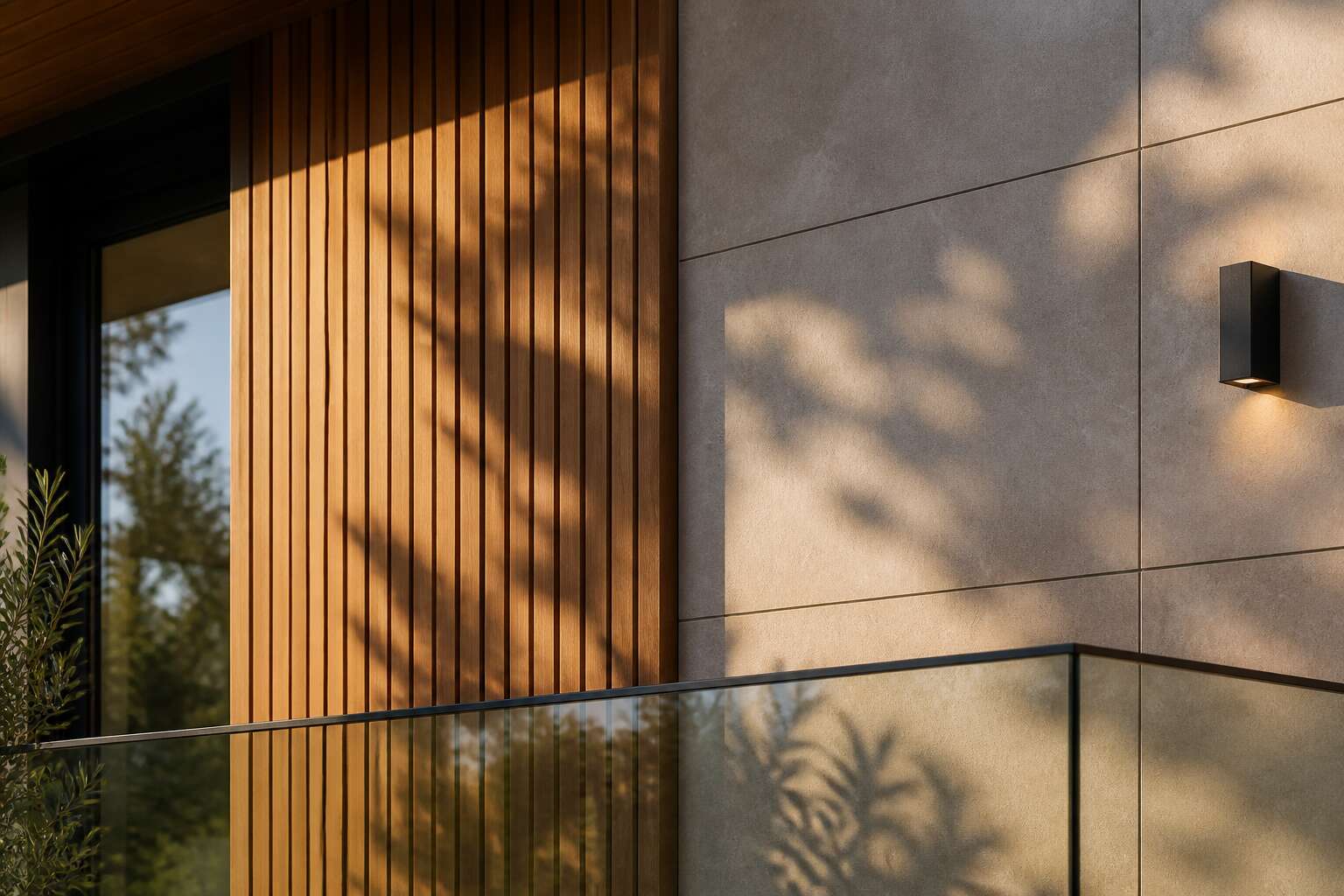
Exploring Popular Cladding Options
When we talk about turning a house into a home, the exterior often sets the stage. It is the first handshake, the initial impression, and the silent narrator of your personal style. In South Africa, where the sun is fierce and the storms can be sudden, choosing the right wall cladding material is more than a cosmetic decision. It is a strategic move for durability and comfort.
Your choice dictates how your home will weather the elements and how much time you will spend on maintenance. Many homeowners overlook the practical benefits, focusing solely on aesthetics. Yet, the cladding you select directly impacts your home’s insulation, protecting it from extreme heat and dampness. It is the skin of your architecture, and like human skin, it requires the right care and the right substance to thrive.
Exploring Your Options
Navigating the market can be overwhelming, with a myriad of textures and profiles vying for your attention. To simplify, we can break down the most popular choices into a few distinct categories:
– Timber Cladding: Offers a warm, classic look that ages beautifully. It requires consistent treatment to prevent weathering, but the natural grain is unmatched.
– Fibre Cement: A robust performer against termites and fire. It is versatile, mimicking wood or masonry without the high upkeep.
– Vinyl Cladding: The budget-friendly champion. It is lightweight and resistant to moisture, making it a practical choice for coastal regions.
– Stone Veneer: Provides the grandeur of natural stone with a lighter, more manageable footprint. It adds instant texture and value.
The climate in your specific province will heavily influence your decision. A home in Cape Town, facing relentless wet winters, demands a material that repels moisture effectively. Conversely, a property in the Free State requires something that can handle intense UV rays without fading. The balance between insulation and aesthetic appeal is where the real magic happens.
The Art of Selection
Selecting the perfect wall cladding material is akin to choosing a tailored suit. It must fit the architecture, complement the landscape, and suit your lifestyle. For those who love the rustic charm of a farmhouse, timber might be the natural draw. For a sleek, modern urban dwelling, smooth fibre cement panels create a clean, minimalist line that is hard to beat.
Consider the acoustic properties as well. If you live near a busy road or a lively neighbourhood, certain materials offer better sound insulation than others. The weight of the material also plays a role in your home’s structural load. It is always wise to consult with a professional who understands the local building codes and the specific demands of the South African environment. After all, your home is a long-term investment, and the exterior cladding is its steadfast guardian. What is the mood you want to set for your sanctuary?
Performance Factors That Matter
The coastal air carries a salt that tests every surface it touches, and wall cladding material often bears the first assault. In a country this varied, from the Highveld’s dry heat to Durban’s punishing humidity, choosing a facade is a structural decision, not merely a stylistic one. You must be cognisant of the sun’s intensity and the wind’s persistence, as they will dictate how your chosen panel performs over a decade of service.
Performance is ultimately a measure of endurance. The substrate must resist rot, the coating must refuse to fade, and the mechanical fixings must hold firm against the elements. Thermal efficiency plays a critical role, as does moisture management. Consider these factors for a lasting installation:
- Impact resistance against hail and debris
- Fire performance and reaction to heat
- Water absorption rates and vapour permeability
- Structural stability under fluctuating temperatures
A cladding system that breathes correctly will prevent condensation inside the cavity, protecting the frame from premature decay. Without this, your investment loses its suffrage to the very weather it was chosen to resist. The right specification offers a silent fortitude, providing peace of mind that shields your property from the inside out.
Design and Aesthetic Considerations
Most people choose wall cladding material based on a single Instagram post. That is a risky move, especially under the South African sun. The right cladding can drop indoor temperatures or just look brilliant for years. The wrong one will fight both the weather and your home’s character.
- Texture: flat surfaces reflect light harshly; rough surfaces soften it.
- Scale: oversized panels on a small cottage can feel theatrical.
- Colour: dark cladding absorbs heat, which is either foolish or brilliant, depending on your thermostat.
The interplay between shadow and sunlight will alter the appearance of any cladding throughout the day. A grey shade at noon might turn bronze by sunset. That is the magic, or the nightmare, of exterior design.
Installation, Maintenance, and Cost
In South Africa, the right wall cladding material can cut your cooling bills by nearly a third during those brutal Highveld summers. That is not hearsay; it is what I have watched happen on farmhouses where fibre cement boards endure both the wind and the relentless sun without flinching.
Installation demands a properly levelled frame. I always insist on leaving a ten millimetre expansion gap, otherwise panels will buckle come spring. As for maintenance, the routine depends entirely on what you choose. Timber needs resealing every two years, but painted steel is far more forgiving:
- Rinse with a mild detergent and water once each season.
- Inspect for hairline cracks after a severe hailstorm.
- Clear away accumulated dust from profiled sheets.
Cost is the true reckoning. Basic galvanised sheeting sits around R180 per square metre, while a premium stone veneer can push past R900. The wall cladding material you pick determines not just your upfront spend, but the long-term character of your home.
0 Comments